Why Heart Screening Matters

Heart disease often develops silently. Many patients may have plaque buildup or early cardiovascular disease long before symptoms appear.

Advanced cardiac imaging can help:

Detect disease earlier

Identify hidden cardiovascular risk

Support preventive care strategies

Guide treatment decisions

Provide more personalized cardiac care

Earlier detection may help patients take proactive steps before more serious cardiac events occur.

Advanced Cardiac Imaging Services

Our advanced imaging programs are designed to help patients and physicians make more informed decisions with greater precision. Whether you have symptoms, risk factors, or simply want a clearer understanding of your cardiovascular health.

From identifying plaque buildup and narrowing of the coronary arteries to evaluating blood flow and cardiovascular risk, our non-invasive cardiac imaging services deliver deeper insight beyond traditional testing — helping support earlier intervention, personalized care, and more confident next steps.
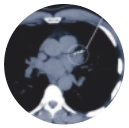
CT Coronary Calcified Plaque Scoring

Coronary Calcium Scoring (Cardiac CT Calcium Score)

A Coronary Calcium Score is a fast, non-invasive CT scan that measures calcified plaque within the coronary arteries. The exam helps assess your risk for coronary artery disease and future cardiac events — often before symptoms develop.

This screening may be beneficial for patients with:

  • Family history of heart disease
  • High cholesterol
  • High blood pressure
  • Diabetes
  • Smoking history
  • Elevated cardiovascular risk factors

A calcium score can help guide discussions about lifestyle changes, preventive care, such as medication, and treatment planning.

Learn More
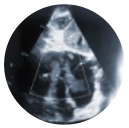
Ultrasound Transthoracic Echocardiogram (TTE)

Ultrasound Transthoracic Echocardiogram (TTE)

A Transthoracic Echocardiogram (TTE) is a non-invasive ultrasound exam that evaluates how the heart moves and functions in real time.

TTE imaging can help assess:

  • Heart valve function
  • Heart chamber size
  • Blood flow through the heart
  • Pumping strength and heart function
  • Structural abnormalities

This exam plays an important role in diagnosing and monitoring many cardiac conditions.

Learn More
Cardiac MRI

Cardiac MRI

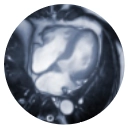
Cardiac MRI uses powerful magnetic resonance imaging (MRI) to create highly detailed images of the heart’s anatomy, function, and surrounding structures — without radiation exposure.

Cardiac MRI may be used to evaluate:

  • Heart muscle function
  • Cardiomyopathy
  • Congenital heart disease
  • Scarring or damage after heart attack
  • Inflammation or structural abnormalities
  • This exam provides comprehensive information about both the structure and function of the heart.

    Learn More
Coronary CTA (CCTA)

Coronary CTA (CCTA)

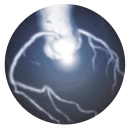
Coronary CT Angiography (CCTA) is an advanced CT scan that creates highly detailed images of the coronary arteries and heart structures. Unlike many traditional cardiac tests, CCTA allows physicians to directly visualize plaque buildup and narrowing within the arteries.

CCTA can help evaluate:

  • Coronary artery disease (CAD)
  • Chest pain and cardiac symptoms
  • Arterial narrowing or blockages
  • Congenital heart abnormalities
  • Overall coronary anatomy

This non-invasive exam provides valuable information that may help reduce the need for more invasive diagnostic procedures.

Learn More
CCTA with FFR-CT

CCTA with FFR-CT

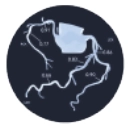
Fractional Flow Reserve CT (FFR-CT) adds functional blood flow analysis to a standard CCTA exam. By evaluating how narrowing within the coronary arteries may impact blood flow to the heart, FFR-CT helps provide a more precise assessment of coronary artery disease severity.

FFR-CT can help physicians determine:

  • Whether a blockage is restricting blood flow
  • Which patients may benefit from intervention
  • Whether invasive testing may be avoidable

This advanced approach supports more informed treatment planning and individualized patient care.

Learn More
CCTA with AI Plaque Analysis

CCTA with AI Plaque Analysis

Traditional cardiac testing often focuses primarily on whether arteries are blocked. AI-enabled plaque analysis goes further — providing a more comprehensive assessment of plaque burden, plaque composition, and cardiovascular risk.

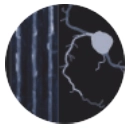
Using advanced AI software, this technology analyzes plaque within the coronary arteries from a standard CCTA exam to help identify:

  • Total plaque burden
  • Types of plaque present
  • Areas of higher-risk plaque
  • Early signs of coronary artery disease

This deeper level of analysis may help physicians personalize treatment strategies and identify heart disease earlier — even before significant blockage occurs.

Learn More

Frequently Asked Questions

What is cardiac imaging?

Cardiac imaging refers to specialized exams that create detailed images of the heart and blood vessels. These exams help evaluate heart structure, blood flow, plaque buildup, and signs of cardiovascular disease — often before symptoms become serious.

What is the difference between a calcium score and a CCTA?

A Coronary Calcium Score measures calcified plaque within the coronary arteries and helps assess overall heart disease risk.

A Coronary CTA (CCTA) provides more detailed images of the coronary arteries and can evaluate narrowing, plaque buildup, and blood flow issues within the arteries themselves.

What is AI plaque analysis?

AI plaque analysis uses advanced artificial intelligence software to evaluate plaque seen on a CCTA exam. This technology helps identify the amount and type of plaque present, including plaque that may not yet be causing significant blockage.

The goal is to provide physicians with deeper insight into cardiovascular risk and support more personalized treatment planning.

Do I need symptoms to have cardiac imaging?

Not always. Some cardiac imaging exams may be recommended for patients with risk factors such as:

  • Family history of heart disease
  • High cholesterol
  • High blood pressure
  • Diabetes
  • Smoking history
  • Elevated cardiovascular risk

Other exams may be ordered to evaluate symptoms such as chest pain, shortness of breath, dizziness, or irregular heartbeat.

Are cardiac imaging exams invasive?

Most cardiac imaging exams offered at RadNet are non-invasive, meaning they do not require surgery or invasive procedures. Many exams are quick, outpatient procedures with little to no downtime.

How long do cardiac imaging exams take?

Exam times vary depending on the type of study. Some exams, such as calcium scoring, may take only a few minutes, while more advanced exams like cardiac MRI may take longer.

Your care team will provide preparation instructions and timing details before your appointment.

Does insurance cover cardiac imaging?

Coverage varies depending on the type of exam, your medical history, symptoms, and insurance plan. Our teams can help review coverage questions and scheduling requirements before your visit.

Take a More Proactive Approach to Heart Health


Understanding your heart health starts with clearer answers. From preventive screening to advanced diagnostic imaging, RadNet’s cardiac imaging program is designed to help detect cardiovascular disease earlier, support more informed decisions, and guide patients toward the right next steps with confidence.

Informational header text for the Cardiac Program at RadNet, describing how high-resolution imaging provides precise details of heart anatomy, function, and blood flow for early detection and personalized treatment.

Why Choose RadNet for Cardiac Imaging?

Teaser Image

Advanced Imaging Technology 

Our centers offer advanced cardiac CT, MRI, ultrasound, and AI-enabled imaging technologies designed to provide highly detailed cardiovascular assessment and more precise analysis.

Teaser Image

Specialized Cardiac Radiology Expertise 

Cardiac imaging exams are interpreted by specialty-trained, board-certified radiologists with expertise in advanced cardiovascular imaging.

Teaser Image

AI-Enhanced Cardiac Analysis 

Our cardiac imaging program incorporates advanced AI-powered plaque analysis technology to provide deeper insight into coronary artery disease and cardiovascular risk.

Teaser Image

Comprehensive, Non-Invasive Cardiac Evaluation 

Many of our advanced cardiac imaging exams provide detailed heart assessment without invasive procedures, helping patients access sophisticated diagnostic information with greater convenience and comfort.

Teaser Image

Convenient Access Across Our Network 

With imaging centers nationwide, RadNet provides broad access to advanced cardiac imaging services and coordinated outpatient care.

Schedule Your Cardiac Screening Today

Find a Location Near You