
Rochester MRI with AI
An MRI (Magnetic Resonance Imaging) scan is a diagnostic procedure that produces detailed images of internal body structures by using a powerful magnet, radio waves, and advanced computer technology. Together with your provider, we work to use MRIs to assess, diagnose, and track various medical conditions effectively.
What Is a Quick MRI Option in Rochester?
A Faster, More Precise MRI with AI at No Extra Cost
We are using advanced AI technology to make your MRI faster, more accurate, and a better experience overall.
We are setting new diagnostic standards while enhancing your MRI exam. That means:
- Leading-Edge MRI Services: Our network of MRI machines are AI-enhanced.
- Faster Scan Times: Get your MRI scan done quickly, so you can get back to your day.
- Less Time on the Exam Table: Faster exams mean less time lying still, which helps reduce discomfort or anxiety.
- Enhanced Image Quality: Sharper images help doctors make a more accurate diagnosis.
- No Added Cost: AI-enhanced technology is integrated into your exam at no extra charge.
"I've had many MRIs and this one was probably the best experience. MRIs are loud, and this one is no different. The upside of this one is that it is quick. Most MRIs I've had take over half an hour. This one was done in probably 20. They will give you earplugs and headphones for music if you want. I found it made dealing with the volume much easier."
- Nicholas K.
How should I prepare for an MRI?
If you have metal-containing objects or implanted medical devices, it is important to inform your healthcare provider prior to undergoing an MRI scan. Some implanted objects may require special scheduling arrangements and specific instructions. You will need to remove all metal objects, including jewelry, hair clips, watches, hearing aids, and dentures. An X-ray might be necessary to verify the exact location of the object before proceeding with the examination.
For most routine MRIs (without contrast), you can eat, drink, and take medications as usual. If you are having an MRI with contrast, abdominal or pelvic MRI, or one that requires sedation or anesthesia. There may be specific prep instructions.
The MRI scanner employs powerful magnets and radio wave signals, which can induce heating or potentially displace certain metal objects within your body, creating health and safety risks. Additionally, it may lead to malfunctioning of implanted electronic medical devices.
What should I expect during an MRI?
While most MRI exams are painless, some individuals may find it challenging to maintain stillness for 30 minutes or longer, which can cause discomfort. Additionally, being confined in the MRI machine may induce anxiety for some due to the enclosed space, and the machine itself can generate considerable noise.
In some cases, your MRI may require contrast. If this applies to you, a healthcare professional will give you an IV injection of contrast material during the MRI.
The general steps of an MRI scan and what to expect include:
- You will change into a hospital gown for the MRI scan.
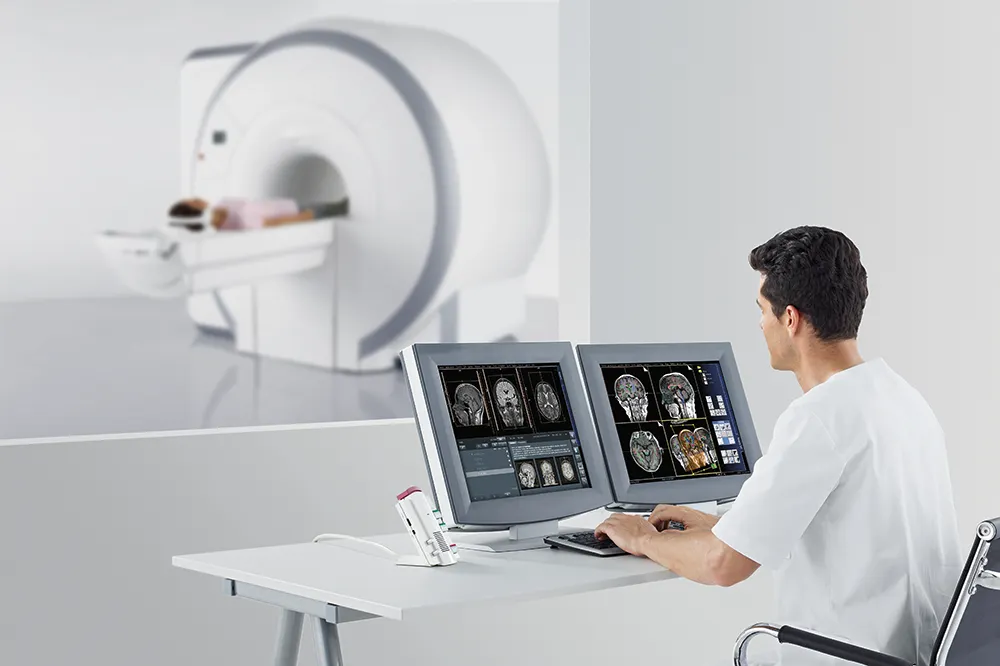
- For most exams, you will lie face up on the MRI scanning bed, which then slides into the MRI machine.
- As the MRI scan begins, you will hear the equipment making a variety of loud knocking and clicking sounds while it is taking the images. Each series of sounds may last for several minutes. You will be given earplugs or headphones to wear to protect your hearing before the procedure begins.
- It is important to be very still during the exam to ensure the best quality of images.
- It is normal for the area of your body being imaged to feel slightly warm. If it bothers you, tell the technologist.
- The MRI technologist will be able to see you and talk with you at all times. An intercom system allows two-way communication while you are inside the scanner. You will also have a call button in your hand that you can push to let the technologist know if you are having any problems or concerns.
What is an MRI with contrast?
Some MRI exams use an injection of contrast material. The contrast agent contains gadolinium, which is a rare earth metal. When this substance is present in your body, it alters the magnetic properties of nearby water molecules, which enhances the quality of the images. This improves the sensitivity and specificity of the diagnostic images. Contrast material enhances the visibility of tumors, inflammation, infection, blood supply to certain organs, and blood vessels.
If your MRI requires a contrast material, a healthcare professional will insert an intravenous catheter (IV line) into a vein in your hand or arm. They will use this IV to inject the contrast material.
Why do Blanket-Like Coils Help During an MRI?
With blanket-like coils that gently wrap around your body, MRI scans can feel much more comfortable. These soft, flexible coils are designed to reduce stress and help you feel more at ease, like being lightly covered with a warm blanket during your scan.
What should I expect after an MRI?
You can leave following your exam and resume normal activities. Your exam will be read by a board-certified radiologist. Results will be sent to your ordering healthcare provider.
MRI Options in Rochester:
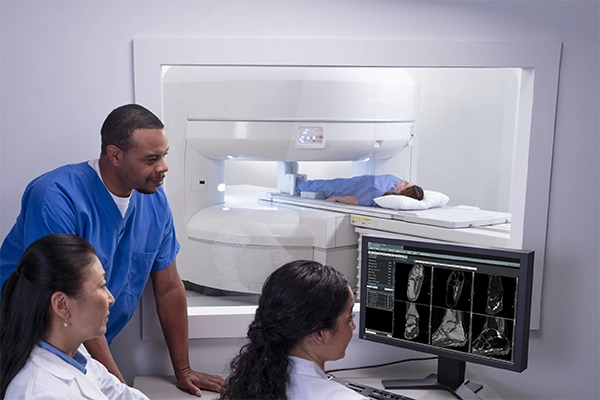
1.2T High-Field Open MRI
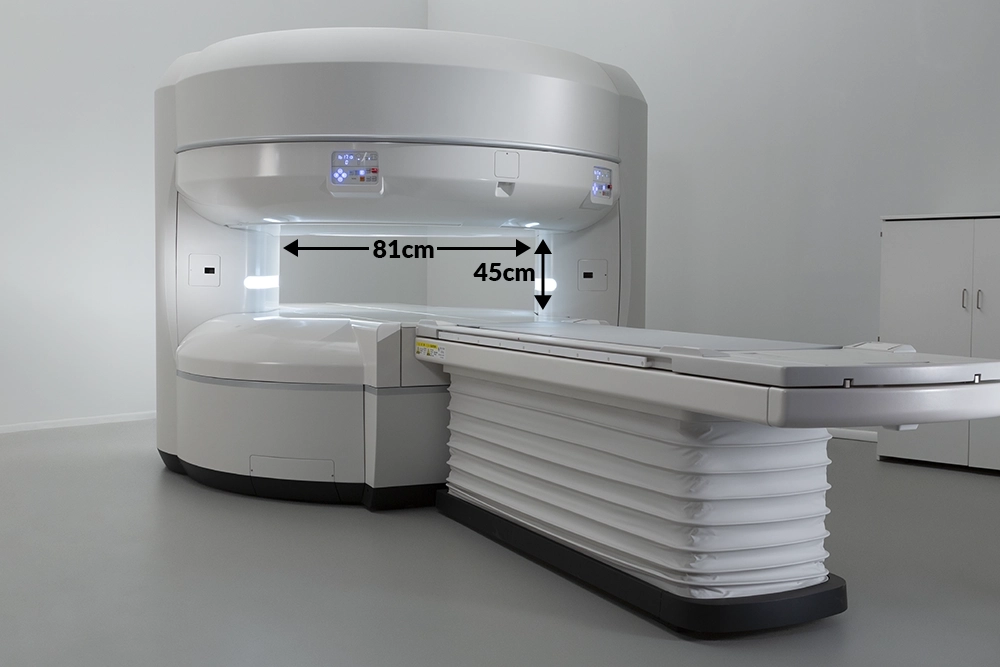
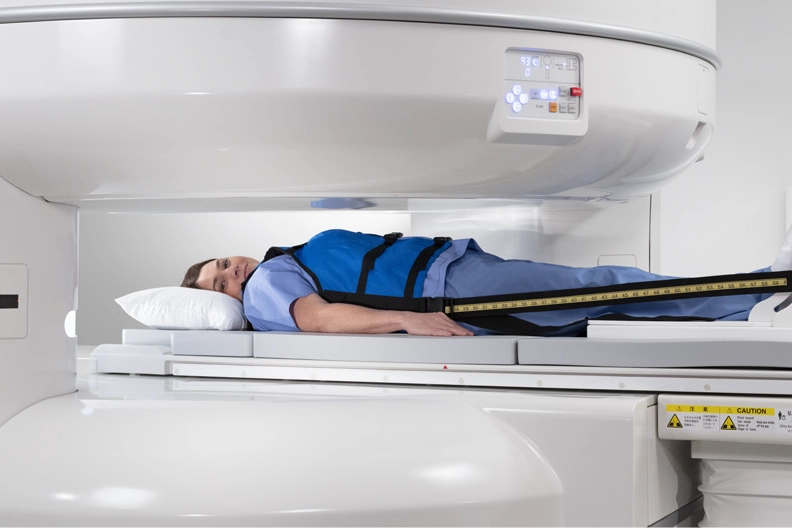
Like its name, Open MRI features a patient-friendly, “open” design. This was the first type of MRI designed to accommodate claustrophobic and larger-sized patients. With higher resolution images, faster scan times, an unobstructed view of the patient, and accommodation to all patient types, this MRI has an ability to perform non-contrast, enhanced, Renal MR Angiography (MRA).
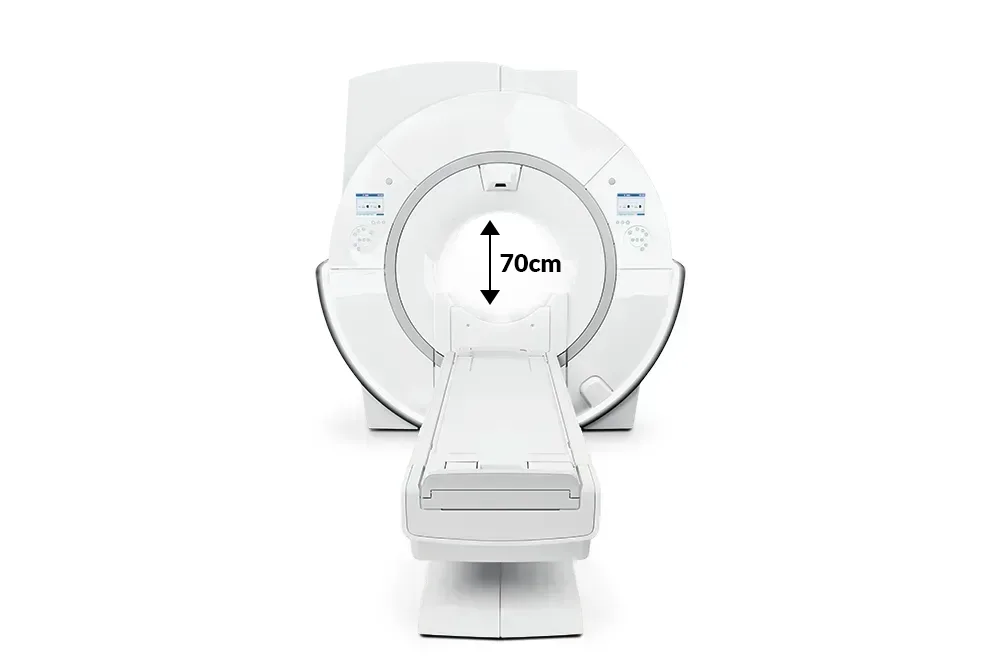
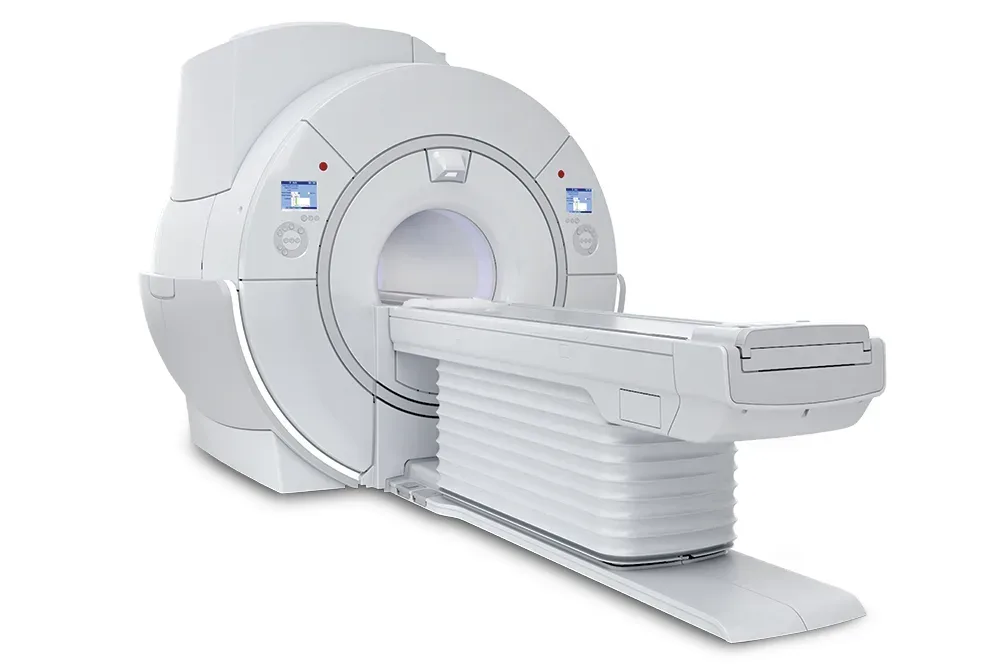
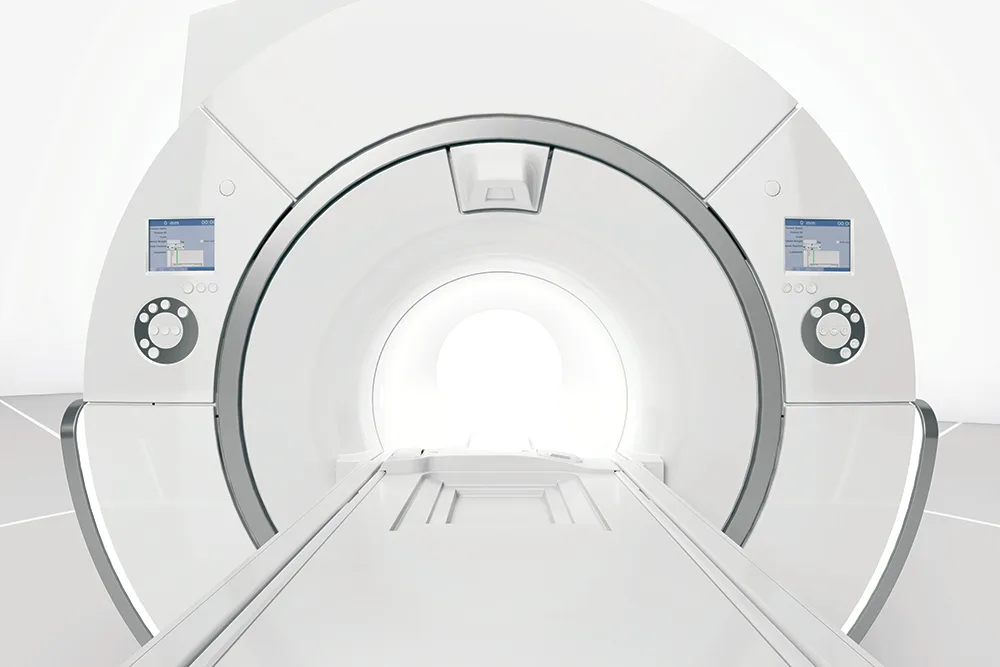
1.5T Wide-Bore MRI
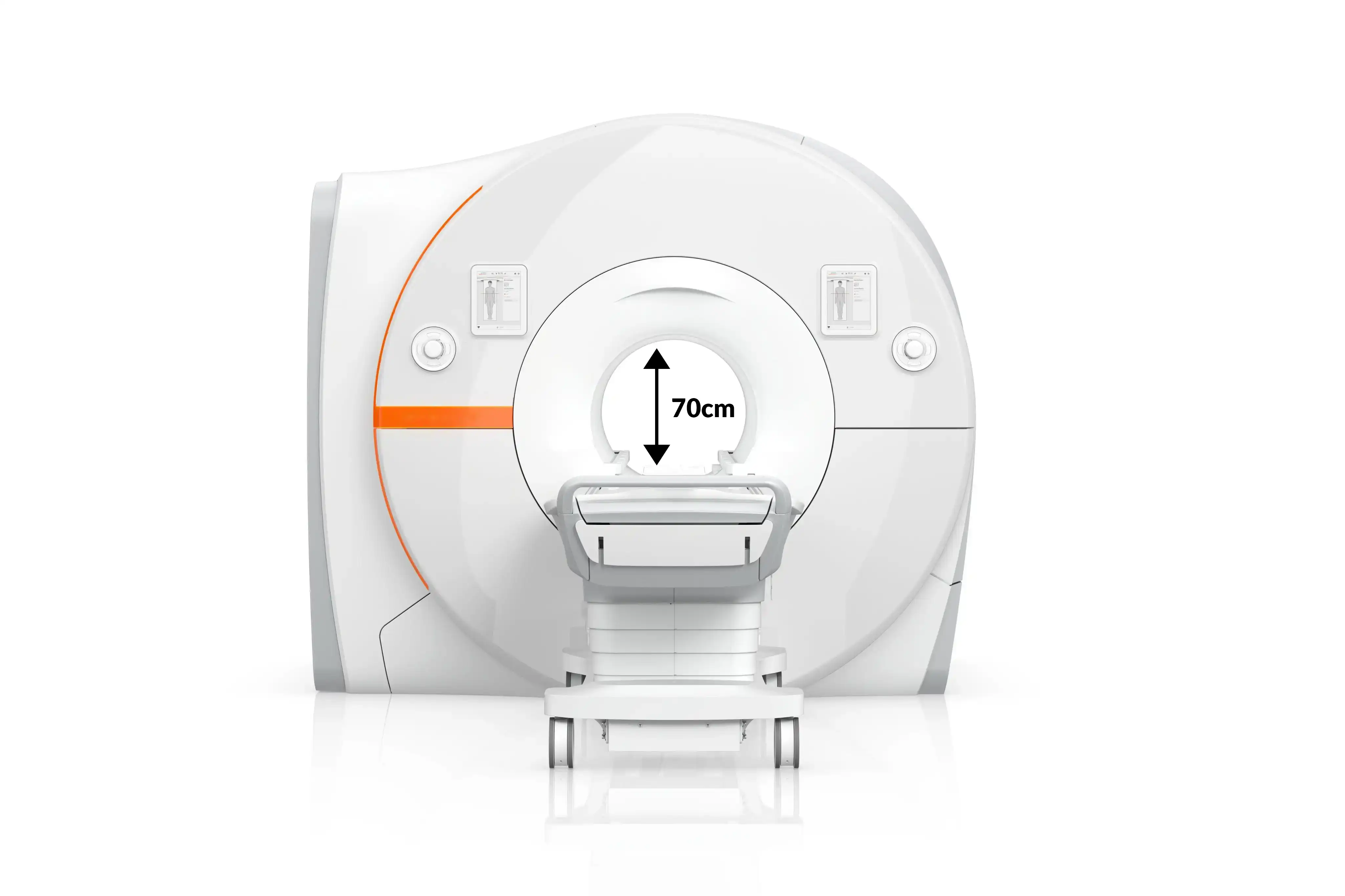
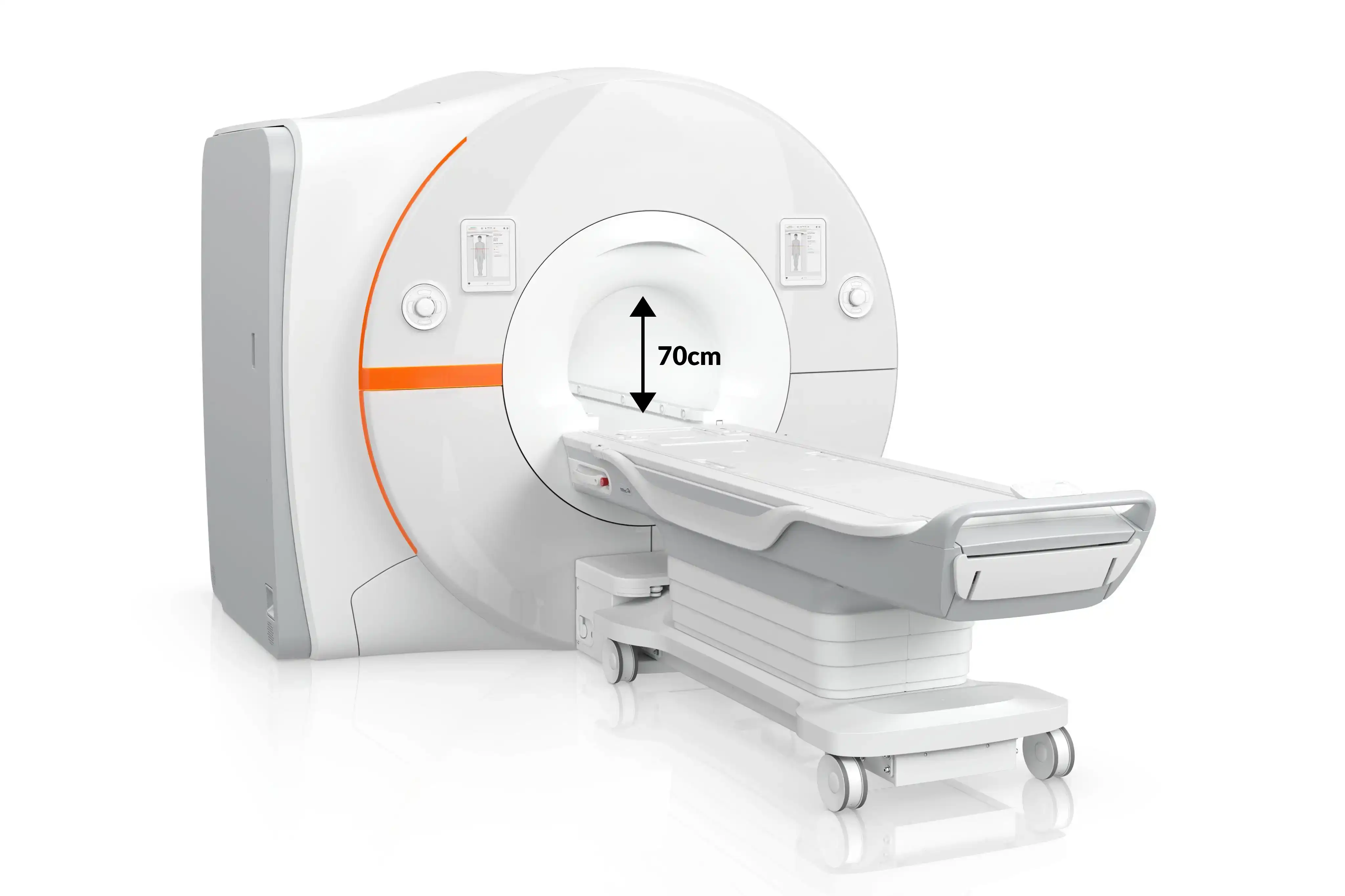
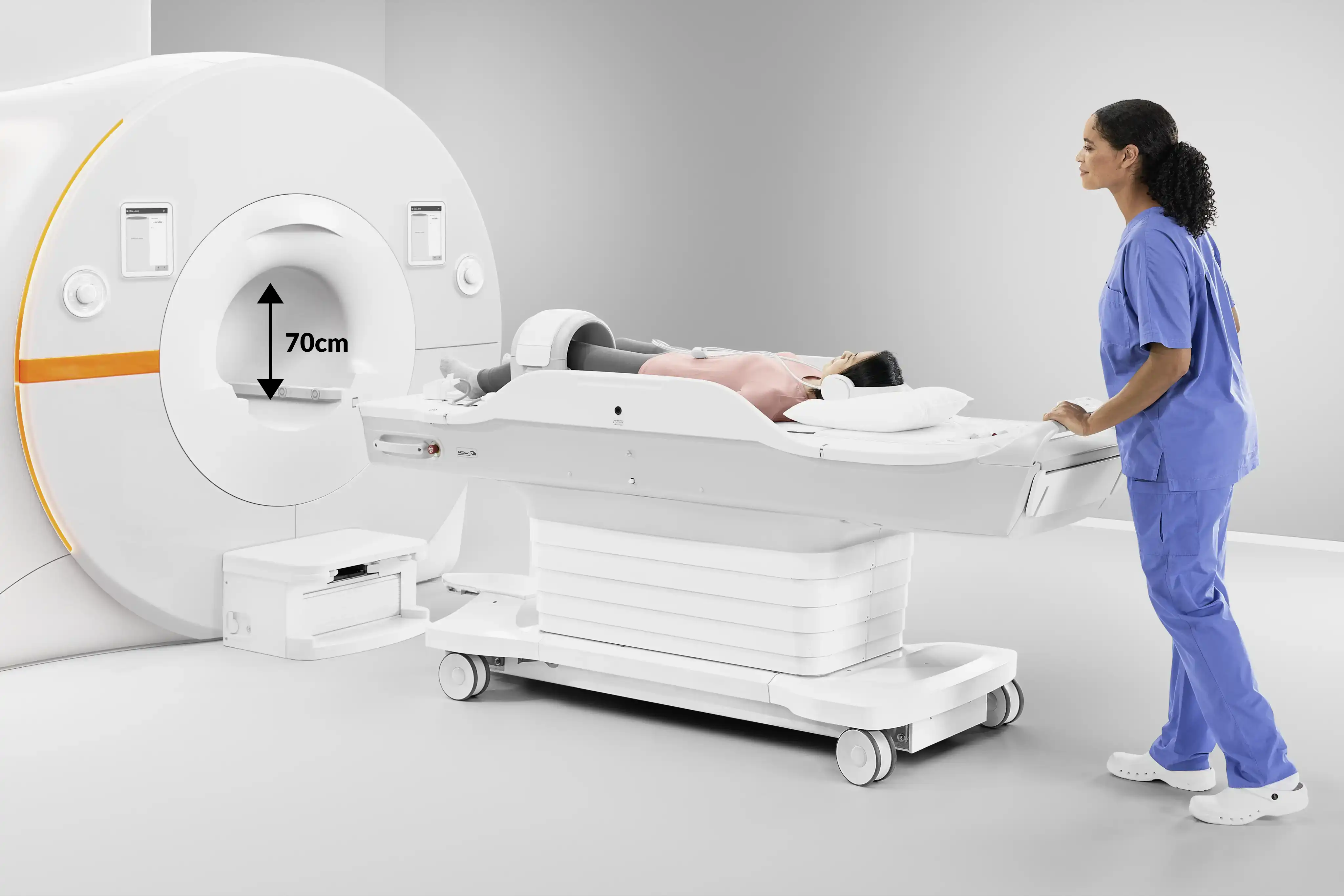
The 1.5T Wide-Bore MRI provides high quality diagnostic images appropriate for most patients. The 70 cm Wide-Bore MRI combines superior image quality with the comfort of an Open MRI. Because it has more space from side to side and above the head, the 1.5T Wide-Open MRI is especially valuable for patients who are claustrophobic or need more space to fit comfortably in a traditional MRI. The 1.5T Wide-Bore MRIs unique open-bore magnet also allows the patient’s head to be outside of the unit for many studies.
1.5T MRI
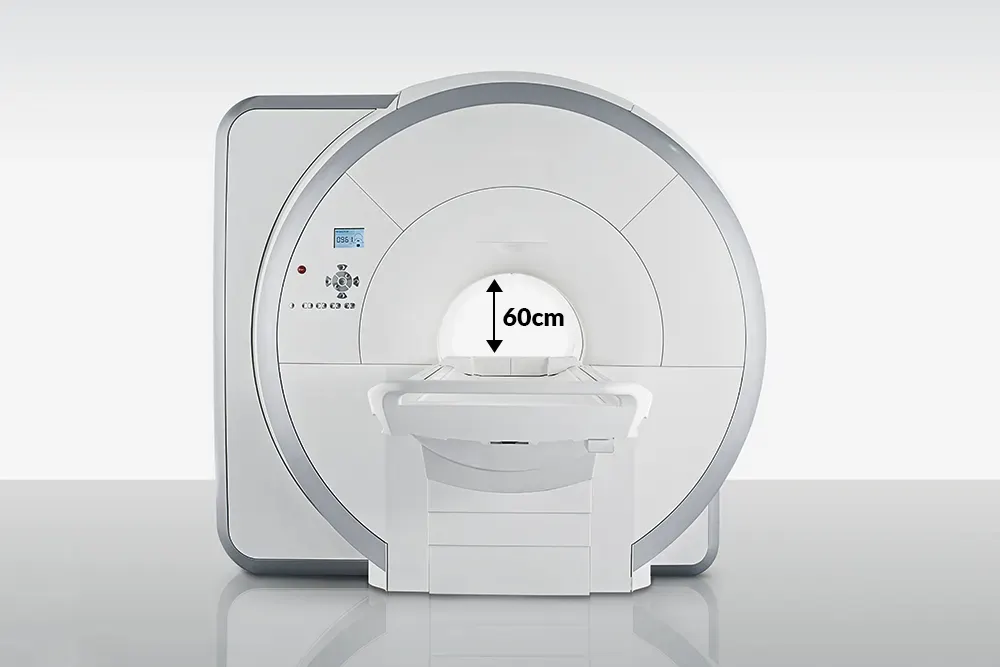
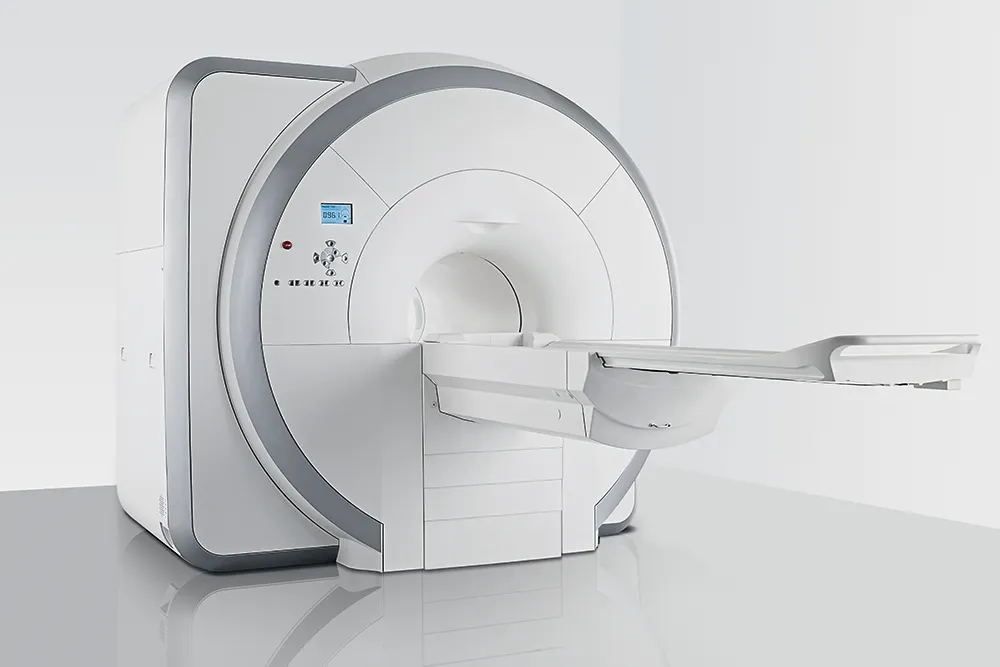
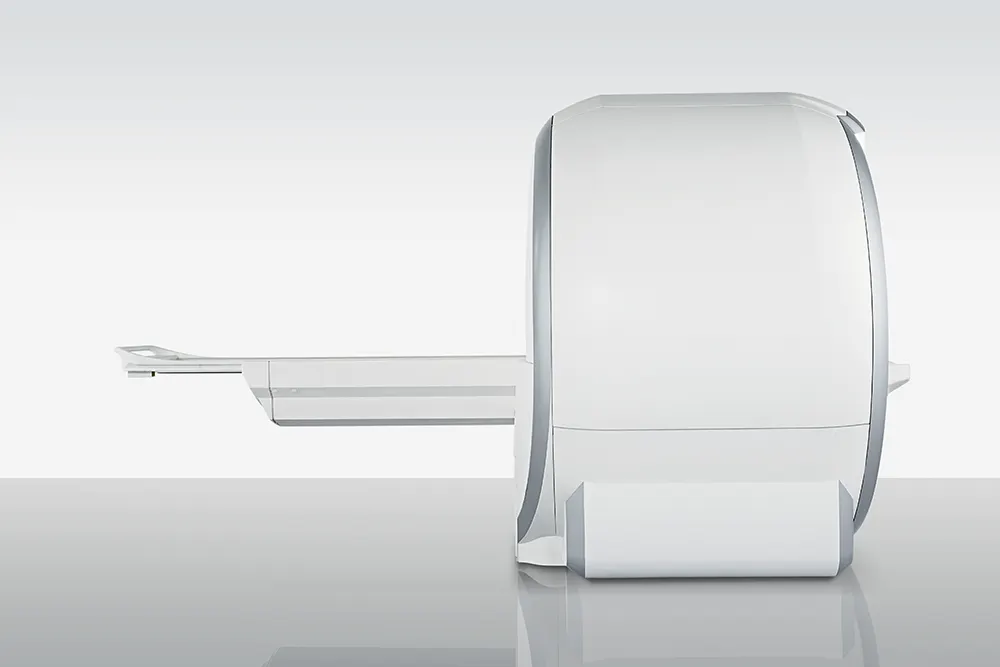
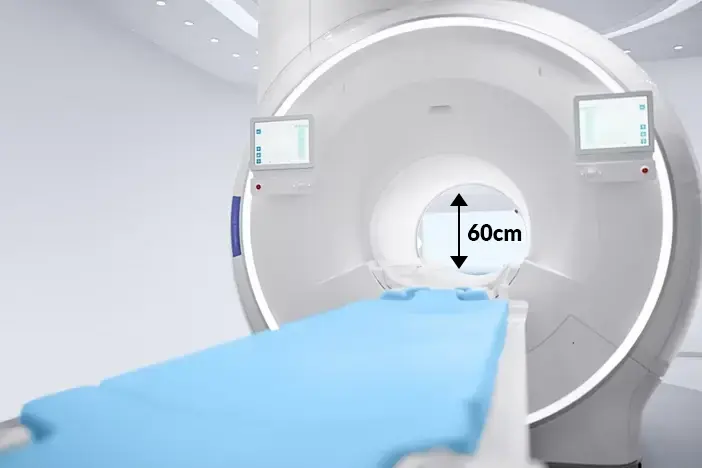
1.5T or traditional MRI provides high quality diagnostic images appropriate for most patients. With faster scan times, this MRI has improved image quality for a more accurate diagnosis. The bore size is typically 60 cm depending on the model.
3T Wide-Bore MRI
The 3T Wide-Bore MRI combines superior image quality with the comfort of an open MRI. Because it has more space from side to side and above the head, it is especially valuable for patients who are claustrophobic or too large to fit comfortably in a traditional MRI. Its unique open-bore magnet also allows the patient’s head to be outside of the unit for many studies. With speed, efficiency and precision, this MRI adapts to patient differences while enhancing results with a 70 cm bore size.
3T MRI
3T MRI provides more detailed images for difficult areas such as musculoskeletal (hands, wrist, fingers, and feet) and neurological (brain and spinal cord). With fast scan times, and improved patient comfort, the 3T MRI provides the most accurate images for the best diagnosis with a 60 cm bore size.
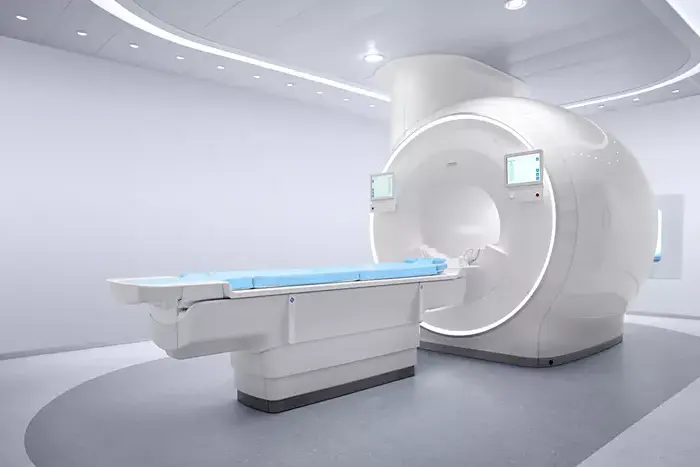
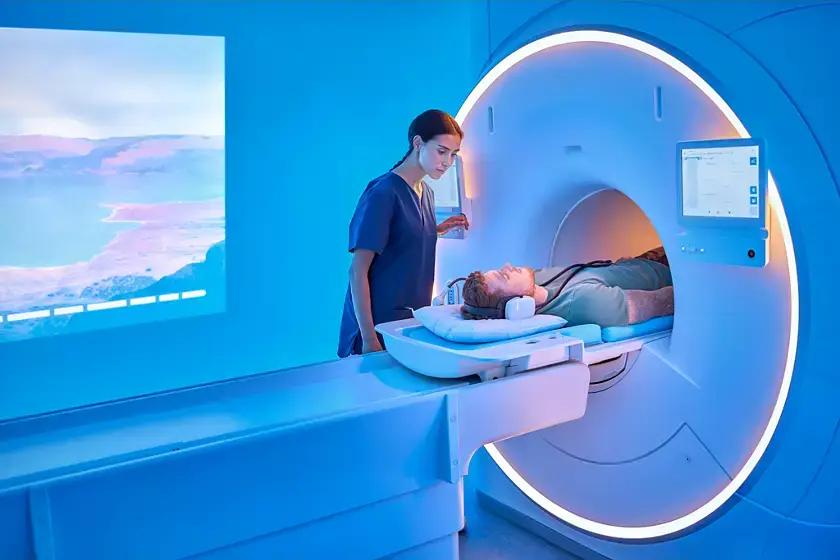
Find the Right MRI for You at Borg and Ide Imaging!
No matter where you are in Rochester, Borg and Ide Imaging has an MRI center nearby to meet your needs. From 1.2T High-Field Open MRI to 3T Wide-Bore MRI, our full range of options ensures comfort, precision, and speed for every patient. Schedule your MRI at a location convenient for you and experience high-quality imaging with care tailored to you.