

Advanced Cardiac Imaging & Heart Screening
See More of What Matters in Heart Health
Heart disease remains the leading cause of death in the United States — but many conditions can be detected earlier and managed more effectively with advanced imaging.
At RadNet, we combine advanced cardiac imaging, AI-powered analysis, and specialized expertise to provide a more complete view of heart health.

Why Heart Screening Matters
Heart disease often develops silently. Many patients may have plaque buildup or early cardiovascular disease long before symptoms appear.
Advanced cardiac imaging can help:
Detect disease earlier
Identify hidden cardiovascular risk
Support preventive care strategies
Guide treatment decisions
Provide more personalized cardiac care
Earlier detection may help patients take proactive steps before more serious cardiac events occur.
Advanced Cardiac Imaging Services
Our advanced imaging programs are designed to help patients and physicians make more informed decisions with greater precision. Whether you have symptoms, risk factors, or simply want a clearer understanding of your cardiovascular health.
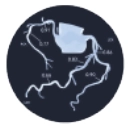
From identifying plaque buildup and narrowing of the coronary arteries to evaluating blood flow and cardiovascular risk, our non-invasive cardiac imaging services deliver deeper insight beyond traditional testing — helping support earlier intervention, personalized care, and more confident next steps.
Frequently Asked Questions
What is cardiac imaging?
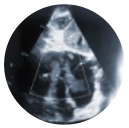
Cardiac imaging refers to specialized exams that create detailed images of the heart and blood vessels. These exams help evaluate heart structure, blood flow, plaque buildup, and signs of cardiovascular disease — often before symptoms become serious.
What is the difference between a calcium score and a CCTA?
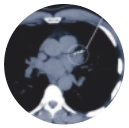
A Coronary Calcium Score measures calcified plaque within the coronary arteries and helps assess overall heart disease risk.
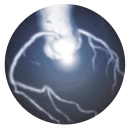
A Coronary CTA (CCTA) provides more detailed images of the coronary arteries and can evaluate narrowing, plaque buildup, and blood flow issues within the arteries themselves.
What is AI plaque analysis?
AI plaque analysis uses advanced artificial intelligence software to evaluate plaque seen on a CCTA exam. This technology helps identify the amount and type of plaque present, including plaque that may not yet be causing significant blockage.
The goal is to provide physicians with deeper insight into cardiovascular risk and support more personalized treatment planning.
Do I need symptoms to have cardiac imaging?
Not always. Some cardiac imaging exams may be recommended for patients with risk factors such as:
- Family history of heart disease
- High cholesterol
- High blood pressure
- Diabetes
- Smoking history
- Elevated cardiovascular risk
Other exams may be ordered to evaluate symptoms such as chest pain, shortness of breath, dizziness, or irregular heartbeat.
Are cardiac imaging exams invasive?
Most cardiac imaging exams offered at RadNet are non-invasive, meaning they do not require surgery or invasive procedures. Many exams are quick, outpatient procedures with little to no downtime.
How long do cardiac imaging exams take?
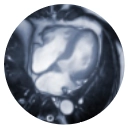
Exam times vary depending on the type of study. Some exams, such as calcium scoring, may take only a few minutes, while more advanced exams like cardiac MRI may take longer.
Your care team will provide preparation instructions and timing details before your appointment.
Does insurance cover cardiac imaging?
Coverage varies depending on the type of exam, your medical history, symptoms, and insurance plan. Our teams can help review coverage questions and scheduling requirements before your visit.
Take a More Proactive Approach to Heart Health
Understanding your heart health starts with clearer answers. From preventive screening to advanced diagnostic imaging, RadNet’s cardiac imaging program is designed to help detect cardiovascular disease earlier, support more informed decisions, and guide patients toward the right next steps with confidence.