

What is the liver and it's function in the human body?
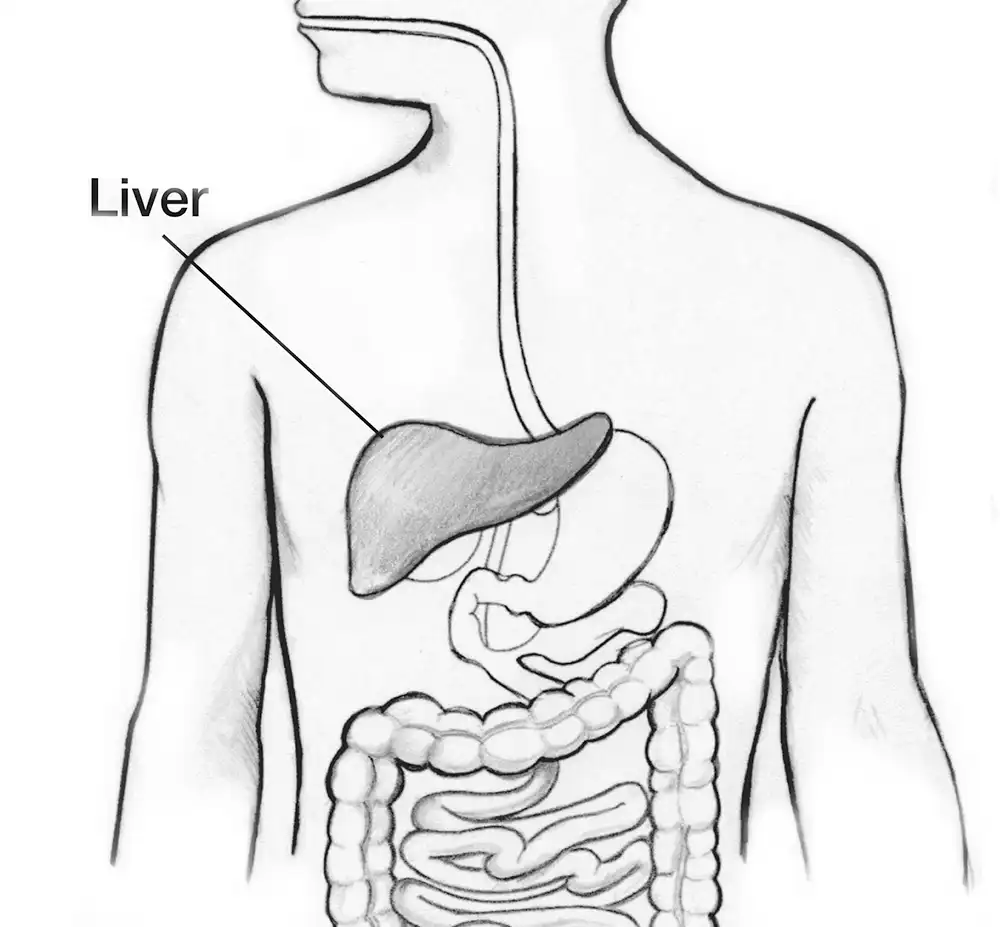
The liver is the largest solid organ in the human body, located beneath the rib cage in the upper right side of the abdomen. The liver is a critical and complex organ, performing over 500 vital functions necessary for human survival including metabolism, immunity and digestion.
Blood passes through the liver which breaks down and removes toxic substances and byproducts of metabolism, preparing them for excretion from the body. The liver also removes bacteria and other infectious agents from the bloodstream. The liver plays a key roll in Metabolism and Processing by helping regulate blood sugar levels. It also breaks down fats to produce energy, and synthesizes cholesterol and special proteins to help carry fats through the body. The liver produces bile, a fluid critical for the digestion and absorption of fats. Bile also helps carry away waste products and toxins from the liver. Lastly, the liver stores significant amounts of certain vitamins as well as minerals such as iron, releasing them into the bloodstream when needed.
What is Metabolic Dysfunction-Associated Steatotic Liver Disease (MASLD)?
MASLD is the buildup of extra fat in liver cells that is not caused by alcohol. It is normal for the liver to contain some fat, but when more than 5–10% of the liver’s weight is fat, this is called steatosis. MASLD is the updated name for the condition previously called NAFLD (nonalcoholic fatty liver disease).
For more information, please see the American Liver Foundation.
Why choose Elastography at Lenox Hill Radiology?
The team of dedicated, subspecialized body radiologists at Lenox Hill Radiology are liver and liver elastography experts. LHR has deployed state-of-the-art Sonography units with SWE (shear wave elastography) capability, a highly accurate diagnostic tool for diagnosis and staging of liver disease, as well as a convenient, non-invasive, and accurate screening tool for MASLD.
New York City Elastography & Liver Services
Ordering Guide for Elastography and Liver Imaging Exam at Lenox Hill Radiology:
What is Ultrasound Elastography?
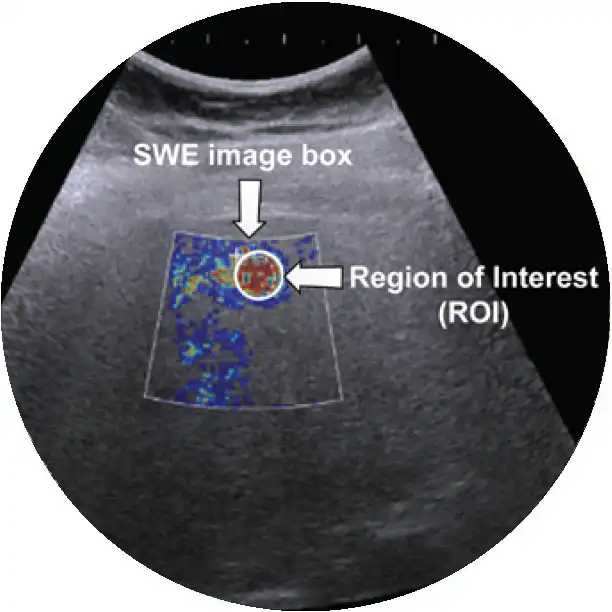
Ultrasound Elastography (US Elastography) can assess both the amount of fat in the liver (steatosis) and the degree of scarring (fibrosis), providing a comprehensive picture of MASLD. It is performed in addition to a US Complete Abdomen or a US Abdomen Limited study. US Elastography is commonly used as a convenient, non-invasive, and accurate screening tool for MASLD. Identifying MASLD early is crucial for effective management and for potentially limiting progression to more severe conditions.
- CPT 76700 & 76981 - US Complete Abdomen w/Liver Elastography measurements
- CPT 76705 & 76981 – US Abdomen Limited w/Liver Elastography
Locations: East 77th, Yonkers, or Mid-Rockland Imaging
What is MRI Elastography?
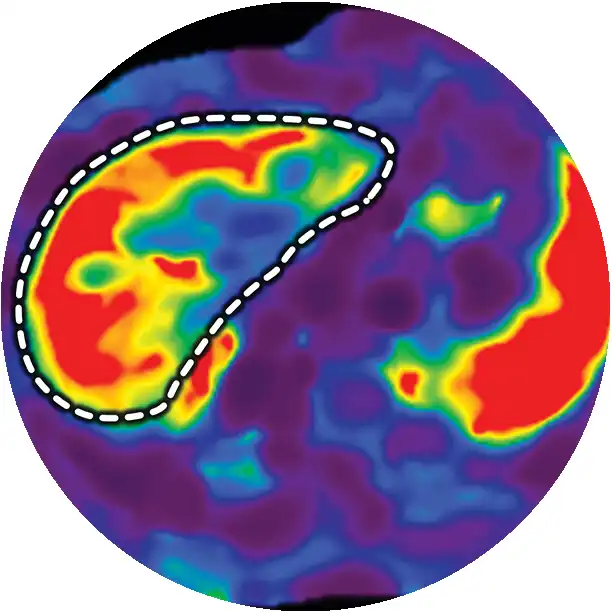
MRI Elastography is performed only on an advanced 3.0T MRI. It is commonly used as a highly accurate diagnostic tool for diagnosis and staging of liver disease. The MRI technology allows radiologists to measure very small changes in tissue stiffness that occur in conditions like fibrosis and cancer. Our MRI can now obtain this diagnostic information quickly, non-invasively, and accurately, information that previously may have required an invasive biopsy (source).
- CPT 76391 - MRI Elastography
Locations: Columbus Circle or Mid-Rockland Imaging

Mayo Clinic. (2012, April 30). MRE Magnetic Resonance Elastography - Mayo Clinic [Video]. YouTube. https://www.youtube.com/watch?v=CcmZi0J_u3Y
What is MRI Liver w/ Eovist® Contrast?
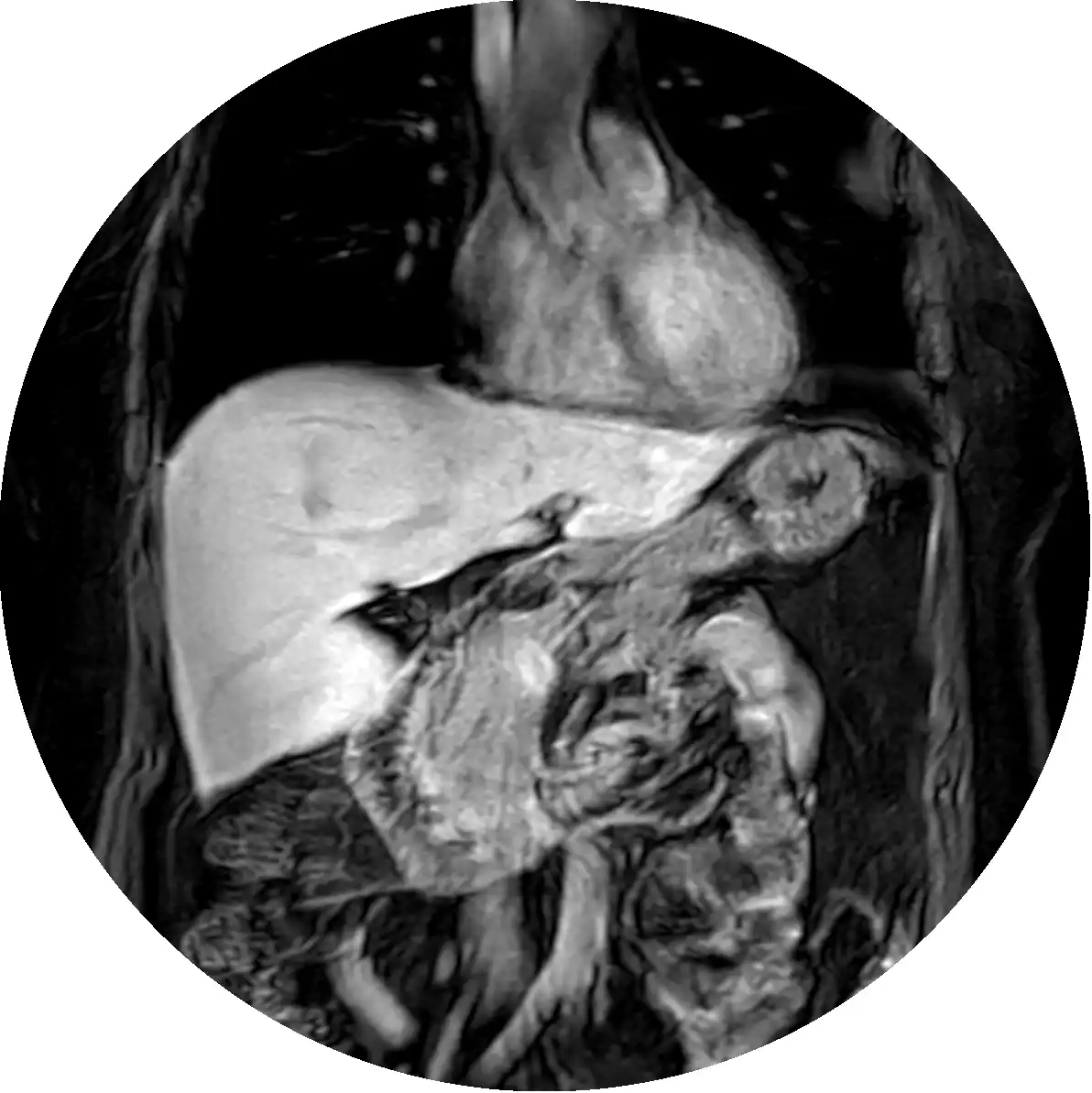
MRI Liver with Eovist® contrast is the only FDA-approved hepatobiliary-specific contrast agent (HBA) for MR liver imaging. An MRI Liver w/ Eovist may be prescribed by a liver specialist to detect and characterize lesions in patients with known or suspected focal liver disease.
- CPT 74183 MRI Liver w/ Eovist
Locations: Any imaging center with contrast MRI
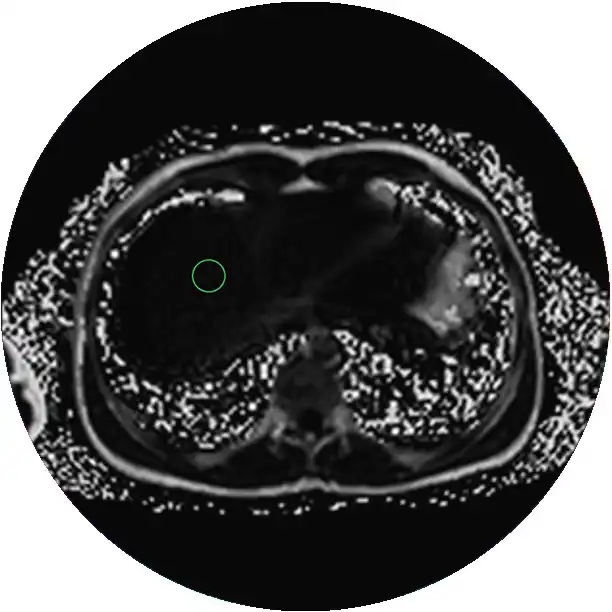
What is MRI Abdomen Non-Contrast (with Liver Iron Quantification)?
This is a routine non-contrast MRI used to assess liver iron overload, also known as hepatic iron overload or hemosiderosis. It can result from various causes, broadly categorized as hereditary or secondary. These include iron overload from Alcoholic Liver Disease (ALD) and Metabolic Dysfunction-associated Steatotic Liver Disease. Viral hepatitis, such as chronic hepatitis B and C, can also contribute.
Without treatment, excess iron in the liver can lead to serious complications such as liver damage, cirrhosis, or even liver cancer. Other potential effects include fatigue, loss of energy, abdominal pain, and in severe cases, liver failure.
- CPT 74181 – MRI Abdomen Non-Contrast (with Liver Iron Quantification)
Long Island Locations: Merrick, Freeport, Lynbrook, Levittown, Plainview, East Islip, Huntington
Manhattan Locations: East 77th, East 66th, East 95th, Harlem, Park Avenue, Union Square Diagnostic Imaging, Columbus Circle
Brooklyn Locations: Cobble Hill, Bay Ridge, Bond Street, Bensonhurst, Highway Imaging, Midwood
Bronx Locations: Pelham Bay, Fordham, Parkchester
Queens Locations: Laurelton, Elmhurst, Kew Gardens, Ridgewood, Flushing Downtown, Sunnyside
Hudson Valley Locations: Yonkers, Mid Rockland Imaging, Monroe