
Sherrie Friedman Story for
National Cancer Survivors Month
Sherrie Friedman has supported early detection and treatment of disease through her work with radiology providers for more than 35 years – including in her current role as Senior Vice President of Revenue Cycle Operations at RadNet. While she’s inspired by a desire to improve others’ well-being through imaging, including those of cancer patients, she never thought she would become a cancer patient herself.
Yet that’s exactly what happened. Now as a breast cancer survivor, she’s sharing her story with the hope that it can raise awareness and offer encouragement.
On January 4, 2025, Sherrie returned home from the gym, motivated by a resolution to focus on her health in the new year. She moved her arm while changing clothes and felt something unusual. It was a lump.
“My whole world stopped,” she recalled. The discovery felt surreal. Just three months earlier Sherrie had a thorough physical breast exam, and the lump wasn’t discovered, so she knew it was growing quickly.
Sherrie received her breast cancer diagnosis on January 10, 2025, and soon learned the language of stages, grades, treatment plans, and uncertainty. The experience was emotionally difficult — and in some ways, the waiting was even harder.
One of the most difficult moments came when her physician ordered an ultrasound of her lymph nodes to determine whether the cancer had spread. She remembered sitting alone afterward, waiting for answers.
“You feel incredibly vulnerable,” she said. “You just sit there praying while the radiologist reads the images.”
Receiving the news that her lymph nodes were clear, it overwhelmed her with relief. “I cried,” she said. “There was no controlling it.”
The ultrasound technologist, who knew firsthand what Sherrie was going through due to her own cancer journey, asked if she could give Sherrie a hug. It was one of many moments that reminded Sherrie that healthcare is about people.
“The clinicians really showed up as human beings,” she said. “I didn’t feel like I was being rushed through the system. I felt cared for.”
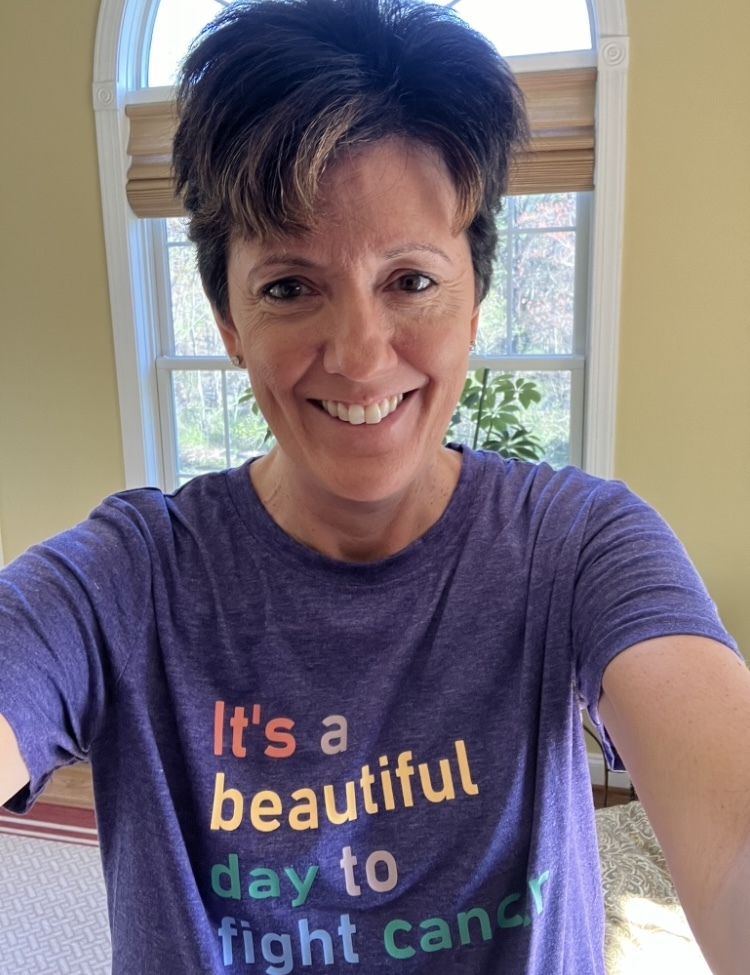
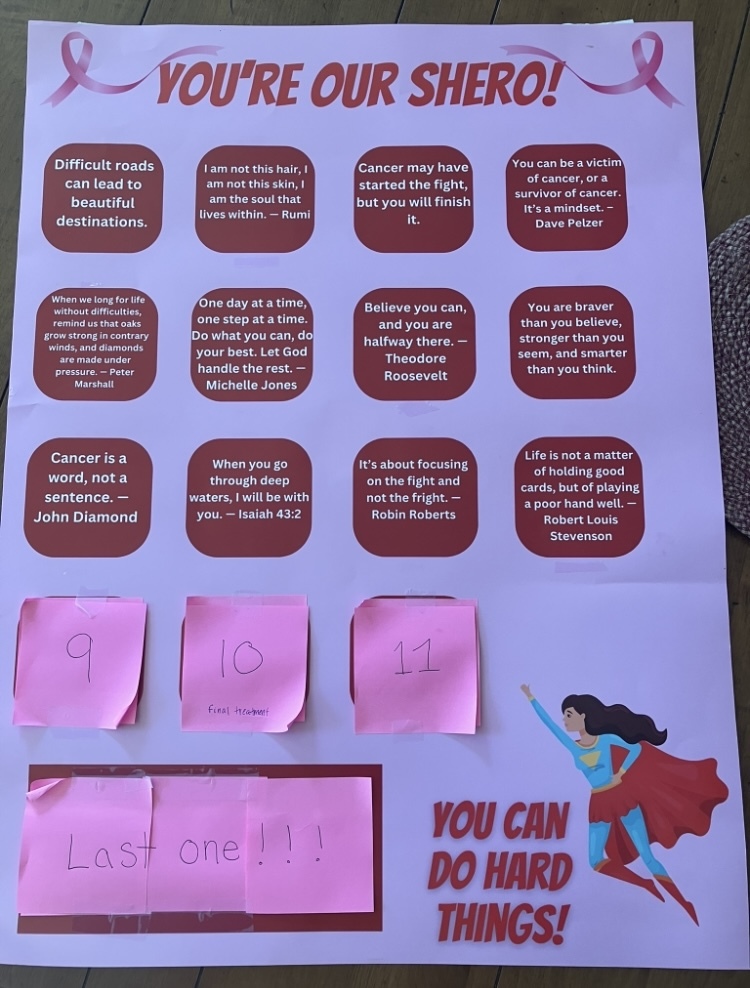
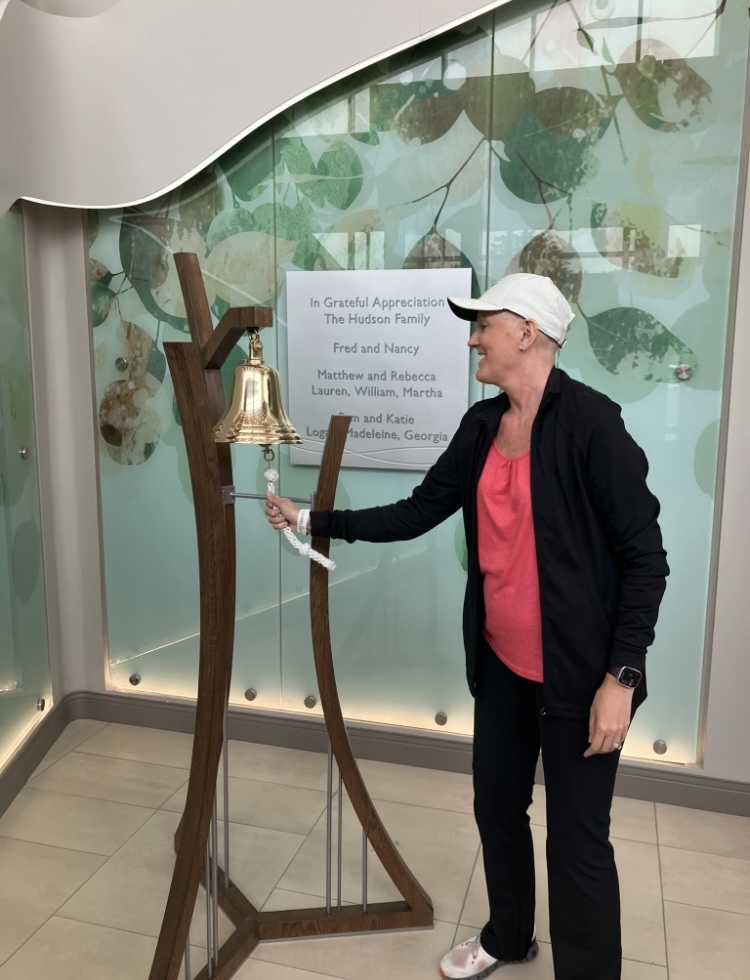
Five weeks after her diagnosis, Sherrie underwent a lumpectomy. Then came chemotherapy, followed by radiation. Today she is in remission, but like many survivors, she understands that healing continues long after treatment ends.
“The fight was straightforward,” she said. “Fight, fight, fight. You're focused on getting through it. It’s the emotional healing afterward that's been a journey.”
For Sherrie, continuing to work during treatment was one of her most important decisions. Although some questioned whether it was the right choice, it became an essential part of her journey.
Throughout treatment, Sherrie stayed connected with her team. Some days, side effects forced her to step back, delegate meetings, or simply rest. But work gave her things that cancer could not take away: purpose, normalcy, and connection.
“It helped me feel like myself,” she said. “I was still contributing. I was still adding value. I was still part of my team.”
Sherrie describes her team, her colleagues, and RadNet's leaders as a second family. From the moment she shared her diagnosis, they all rallied around her. The message was always the same: Whatever you need. And they meant it.
“They cared deeply, but they still counted on me and didn’t treat me differently,” she says. “That's exactly what I needed.”
The support reinforced something she had already come to appreciate about RadNet’s culture.
“We are passionate about what we do, and we care about each other,” she said. “That's what makes RadNet special.”
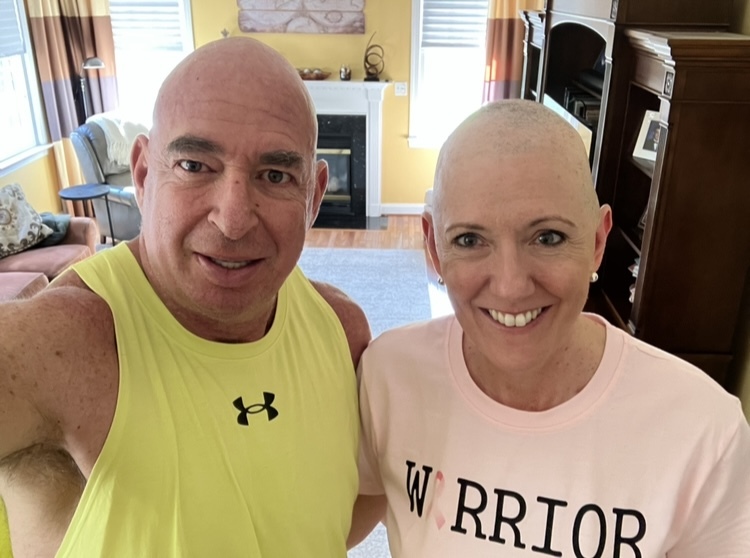
During one of her final radiation treatments, Sherrie met a woman beginning her own breast cancer journey. The woman shared that she had chosen to pay for RadNet’s Enhanced Breast Cancer Detection® (EBCD®) service as part of her routine mammogram.
“Best $40 I've ever spent,” the woman told Sherrie.
For that out-of-pocket amount, patients benefit from the EBCD® combination of an AI-powered detection solution from RadNet’s subsidiary, DeepHealth, and image review by up to two radiologists. The process involves no additional scanning time, breast compression or radiation—EBCD® is applied to the mammography scans as an extra analysis.
The woman told Sherrie that EBCD® had identified her cancer at an early stage, making possible less aggressive treatment.
“It reminded me why our work matters,” Sherrie said. “The earlier breast cancer is detected, the better the outcome and the less intensive the treatment can be. If EBCD® had been available during my mammogram, it might have found my cancer sooner. I recommend EBCD® whenever I talk about my cancer journey.”
Today, close to a year after completing treatment, Sherrie continues to embrace what she calls her “new normal.” For a while, she had tried to get back to the person she used to be but eventually realized that shouldn’t be the goal; the goal is to move forward.
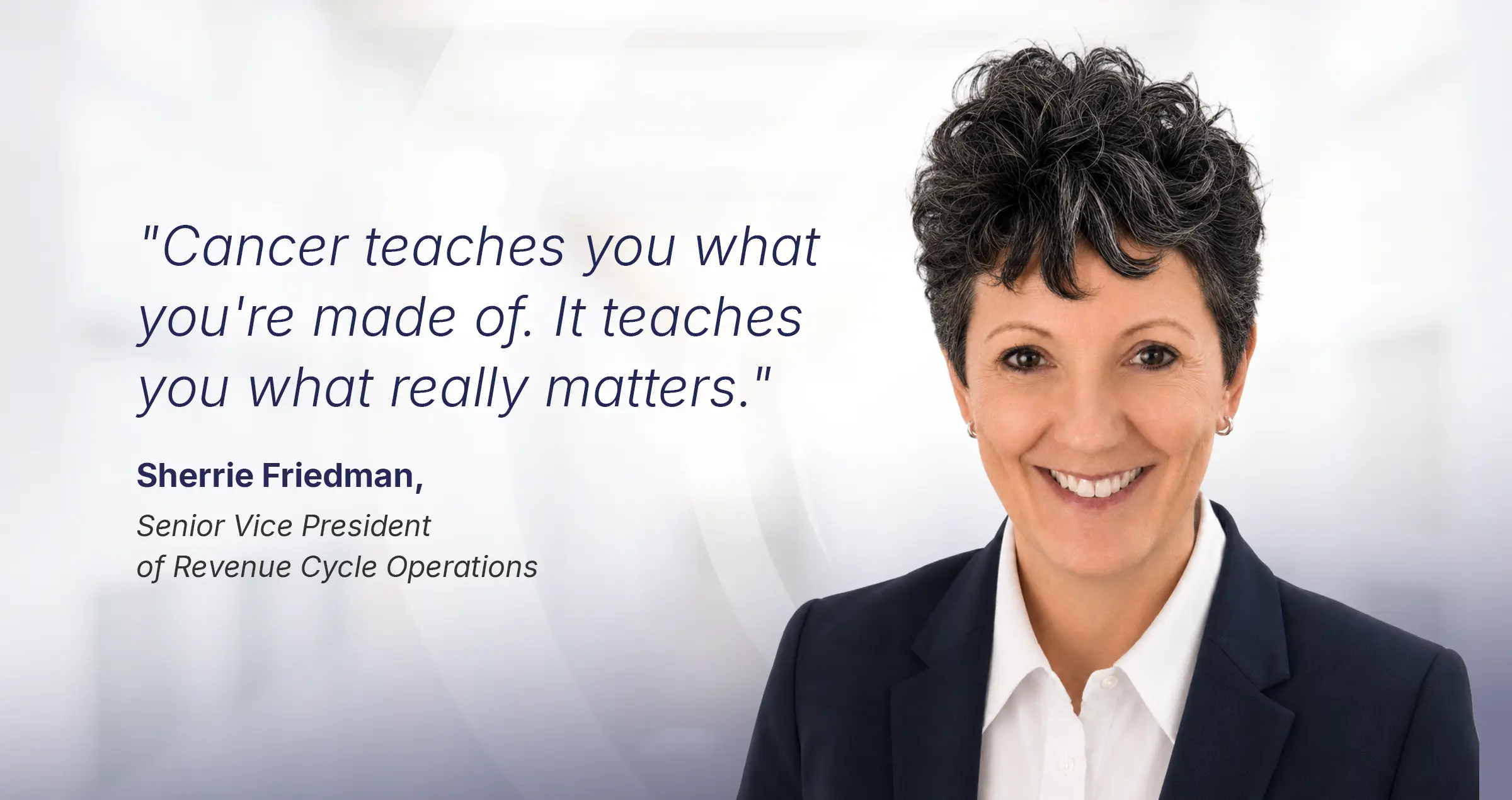
“Cancer teaches you what you’re made of,” she said. “It teaches you what really matters.”
Her journey has been marked by fear, faith, education, resilience, gratitude, and extraordinary kindness. It has also deepened her appreciation for the professional work she has spent her life doing.
After decades in radiology, Sherrie understands better than ever that behind every mammography, every image, every report, and every diagnosis is a person whose life may change in an instant.
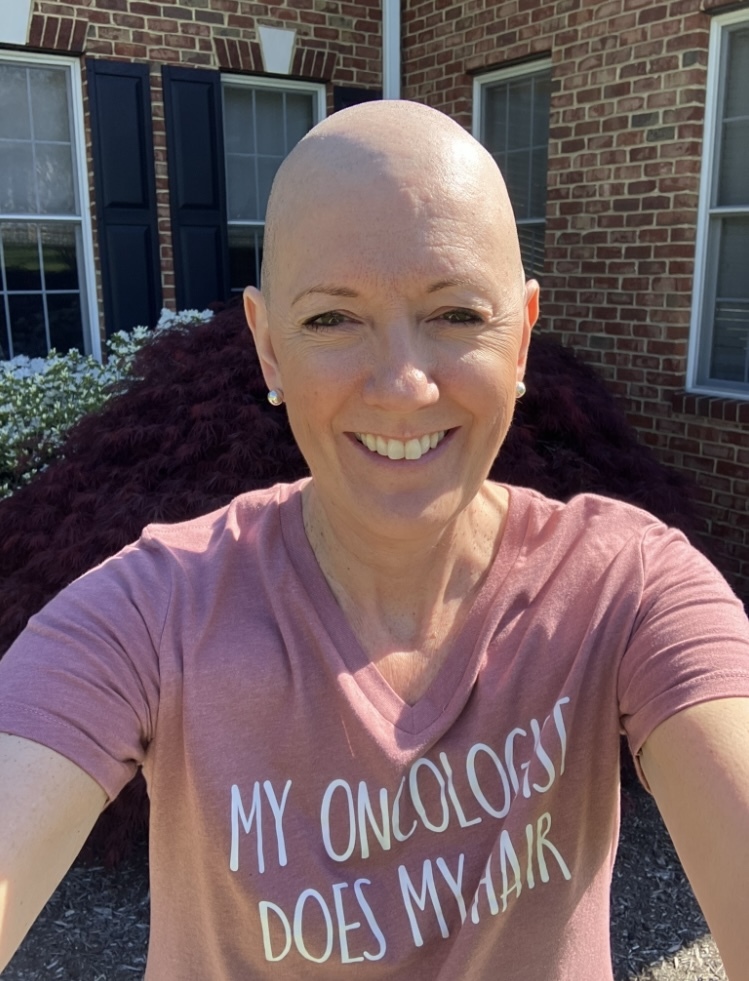
Today Sherrie is grateful — for her family, her faith, her colleagues, her team, and the opportunity to keep moving forward. She received many words of encouragement and advice after her diagnosis. While much of it resonated, three simple reminders have become her touchstones:
- It’s a long journey; take it one step at a time.
- Don’t let cancer steal the joy of each day.
- Give yourself grace.