
About RadNet · Careers · Early Careers
Start your “rad” journey.
Whether you’re still in high school, just starting college, or switching paths — radiology is one of healthcare’s most essential fields, and RadNet is where it’s headed.
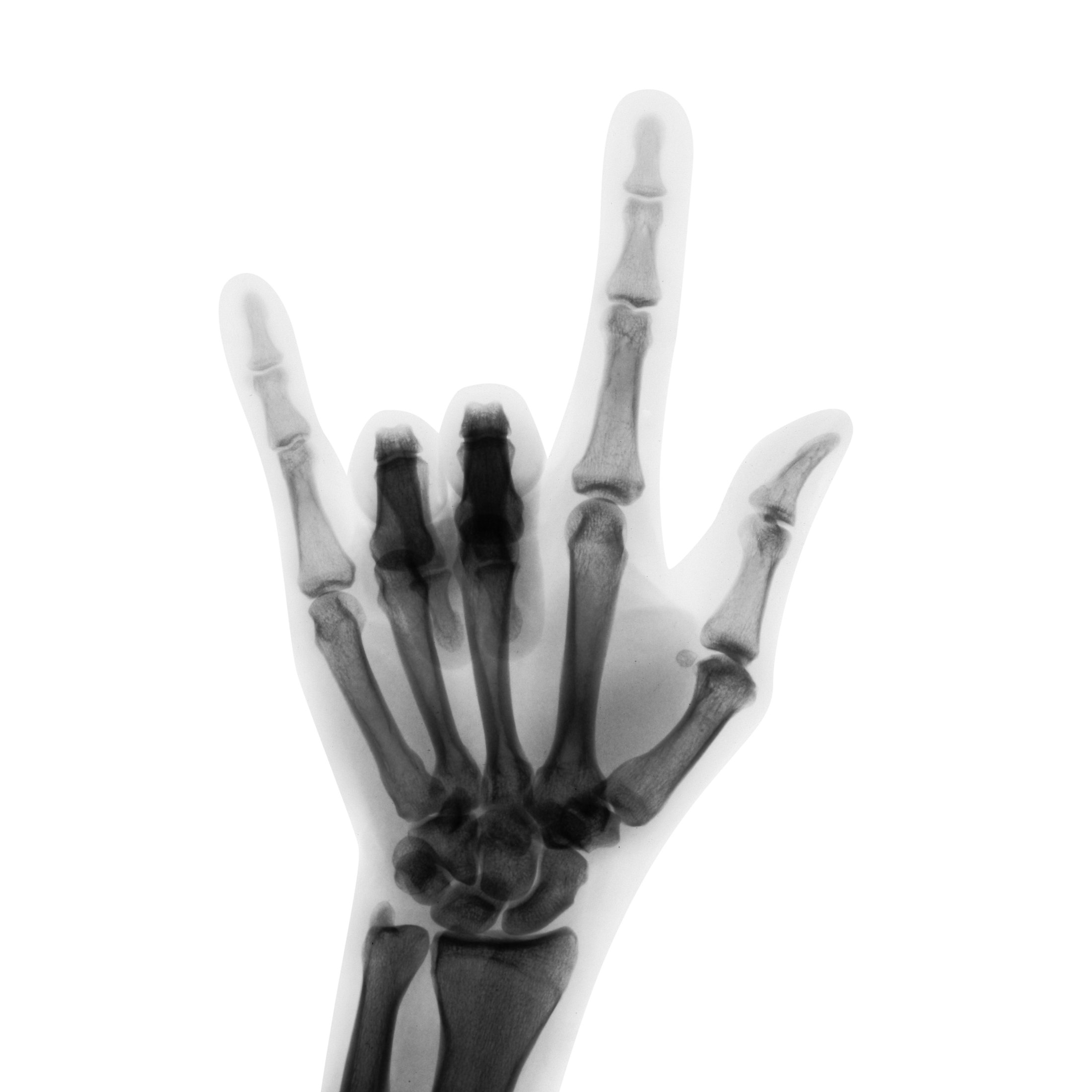
What is radiology?
Radiology uses technology to see inside the human body — and every image helps a doctor find an answer sooner.
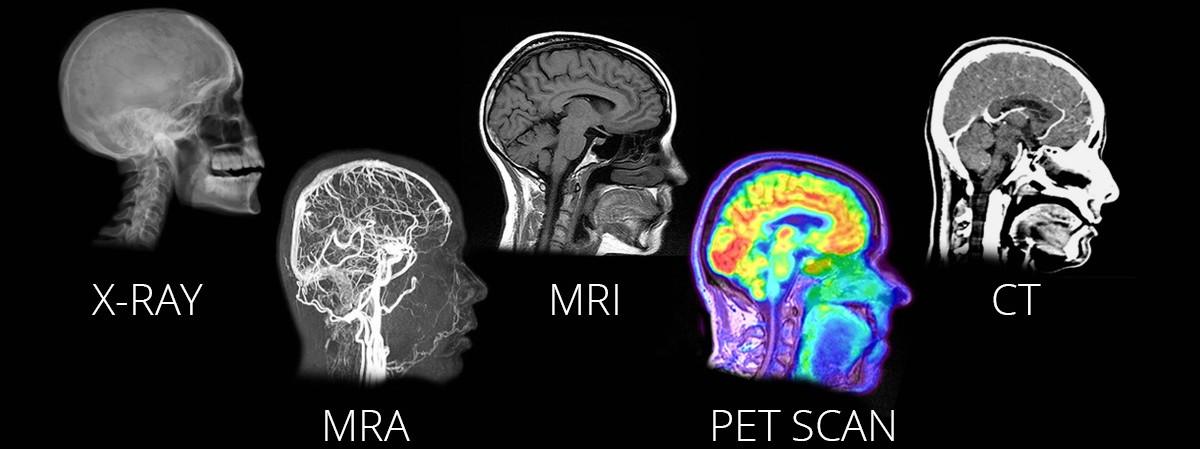
X-ray vision? Basically.
- X-ray — fast, accurate imaging for bones and injuries
- MRI — magnets and radio waves that see soft tissue in detail
- Ultrasound — sound waves that create real-time images
- CT — X-rays plus computing for detailed 3D views
- Mammography, PET & more — each with its own skills and tools
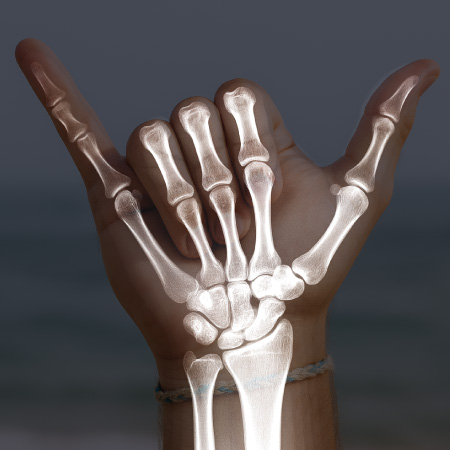

DRAG — SAME HAND, TWO WAYS OF SEEING
Watch the invisible become visible.
Four short films, four ways of seeing — X-ray front and center.
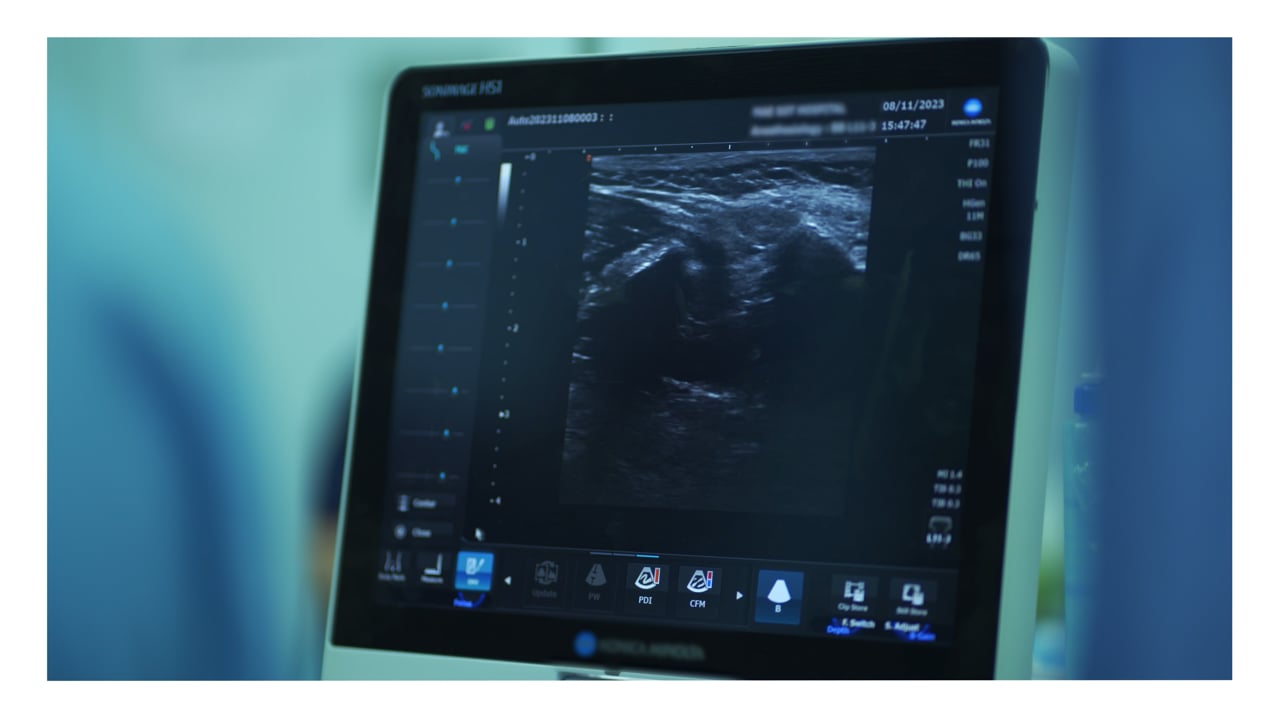
02 · ULTRASOUND
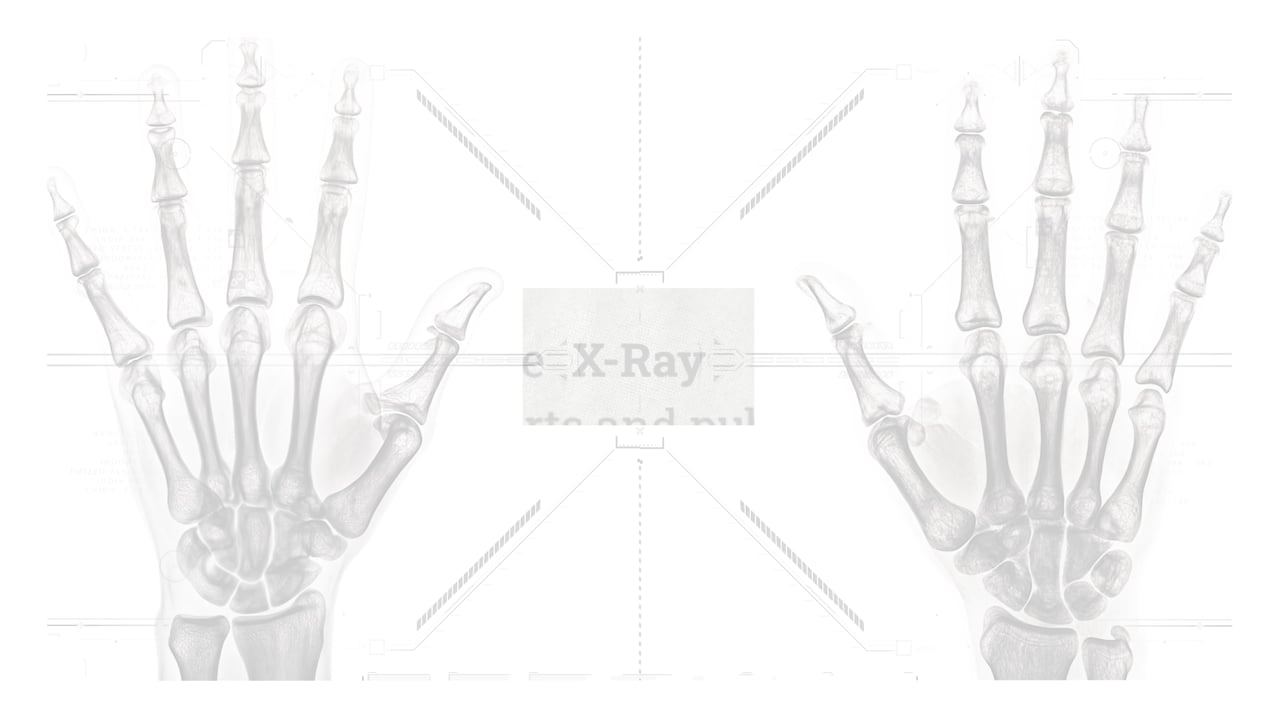
01 · DIGITAL X-RAY
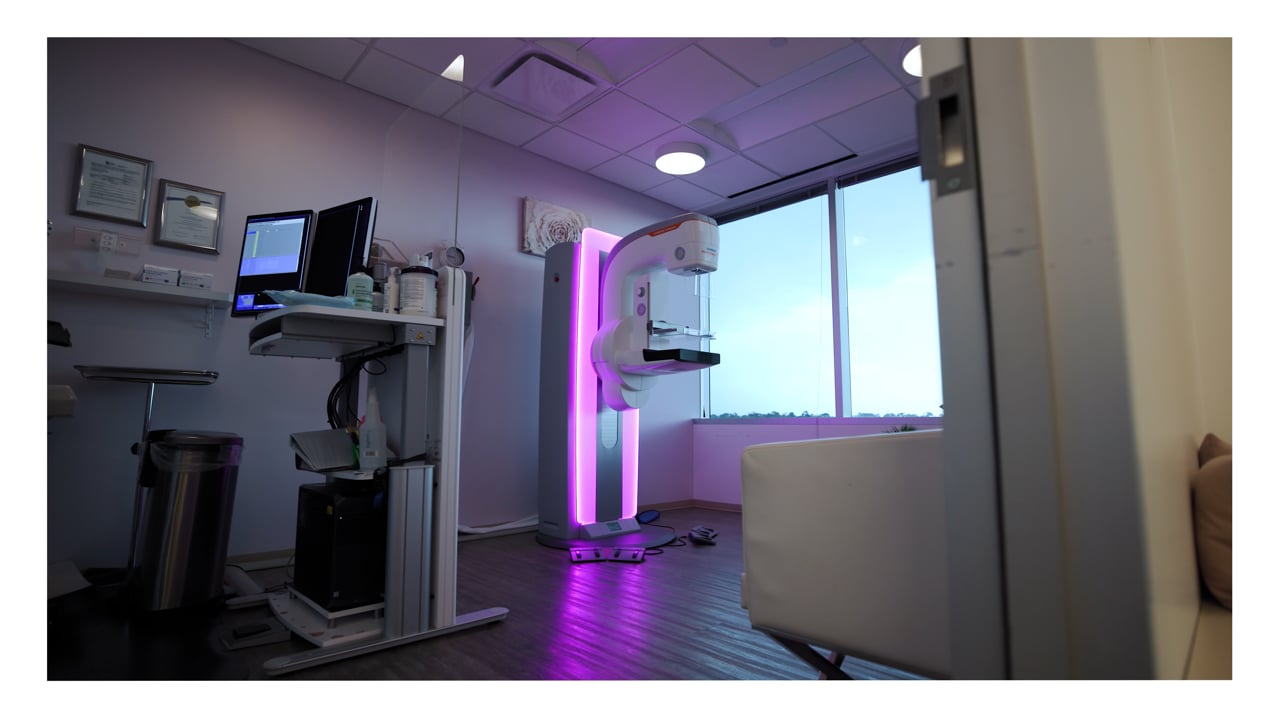
03 · MAMMOGRAPHY
04 · MRI
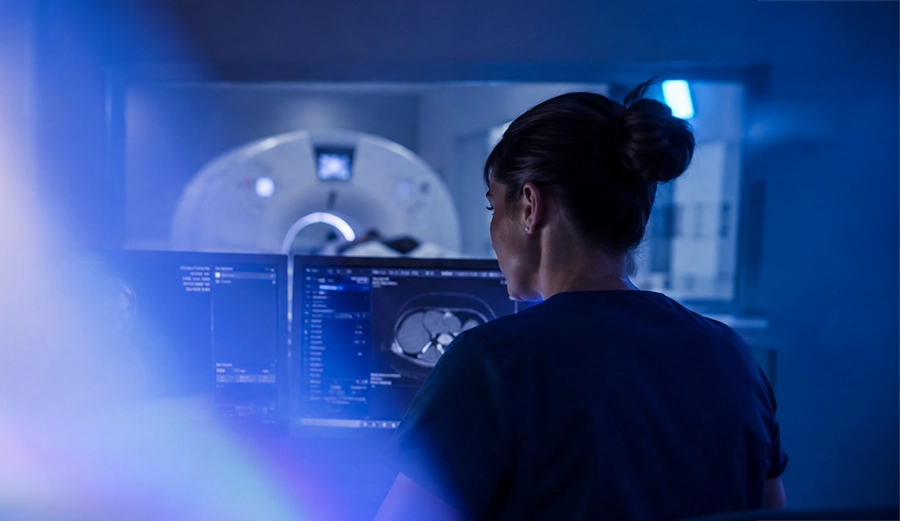
What does a radiologic technologist do?
- Prepare patients for their exams — and keep them calm and comfortable
- Operate the most advanced imaging equipment in medicine
- Capture high-quality images that doctors diagnose from
- Work with care, precision, and compassion — every single scan
Too early to apply. Perfect time to start.
Focus on STEM
Biology, chemistry, physics, and math build the exact foundation radiology programs look for.
Explore early
Join health-science clubs and sit in on a local radiology school’s info session — most are free.
Bookmark this page — future you will thank you.
How to become a rad tech.
Take core courses
Anatomy & physiology, medical terminology, algebra, basic physics, and English composition — the usual prerequisites for accredited programs.
Complete an accredited program
Pick a modality and put in the hours — most people start in X-ray and specialize from there.
X-ray ~2 yrs · CT +6 mo · Mammography +6 mo · MRI +9–24 mo · Ultrasound ~2 yrs · Nuclear medicine ~18 mo
Apply and interview
You can apply, interview, and receive a conditional offer just before you graduate from your radiologic program.
Get certified
Pass your certification exam (like the ARRT) after graduation and you’re a certified technologist. Your state may also require a license.
Grow at RadNet
Start as a technologist and cross-train into new modalities — or into leadership. We invest in both.
Touch the future of medicine.
AI-powered imaging is changing healthcare faster than any other field — and the people who run it are just getting started.

Top 10 reasons to build your career here.
The gear, the growth, and the paycheck perks — ten quick reasons technologists stay.
Roles you can grow into.
For ARRT registered technologists and future technologists nearing graduation, we offer paid trainee opportunities that allow you to cross-train in a new modality while gaining valuable hands-on experience on the job.
MRI Technologist
Image soft tissue in detail with MRI — then grow into an MRI Steering Technologist role, running scans remotely with a tech assistant at the patient’s side.
SEE OPENINGSCT Technologist
Specialize in 3D computed tomography — cross-sectional imaging used in everything from trauma to cancer care.
SEE OPENINGSMammography Technologist
Run the screening exams that catch breast cancer early — some of the most meaningful work in imaging.
SEE OPENINGSCome do your life’s work here.
Benefits-eligible roles come with our benefits package behind them.