

What Is a Low-Dose CT Lung Screening?
Low-dose CT lung cancer screening is a fast, noninvasive scan that uses a small amount of radiation to create detailed images of your lungs. It can help detect lung cancer early, before symptoms appear.
This scan can detect small lung nodules — tiny growths in the lung tissue that may be early signs of cancer. The scan may also reveal other lung changes, such as inflammation, scarring, or signs of chronic lung disease.
Because earlier answers can lead to better outcomes.
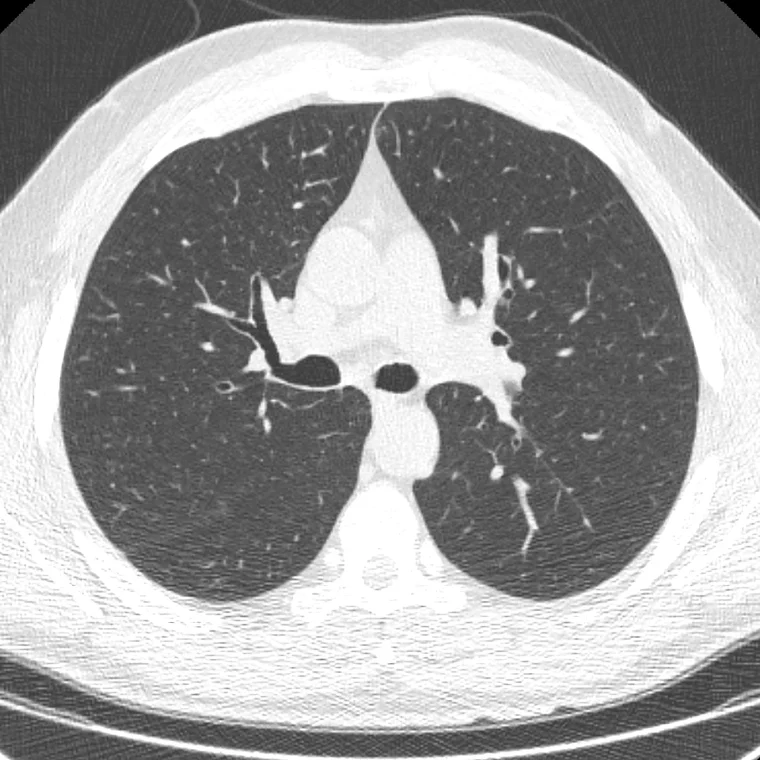
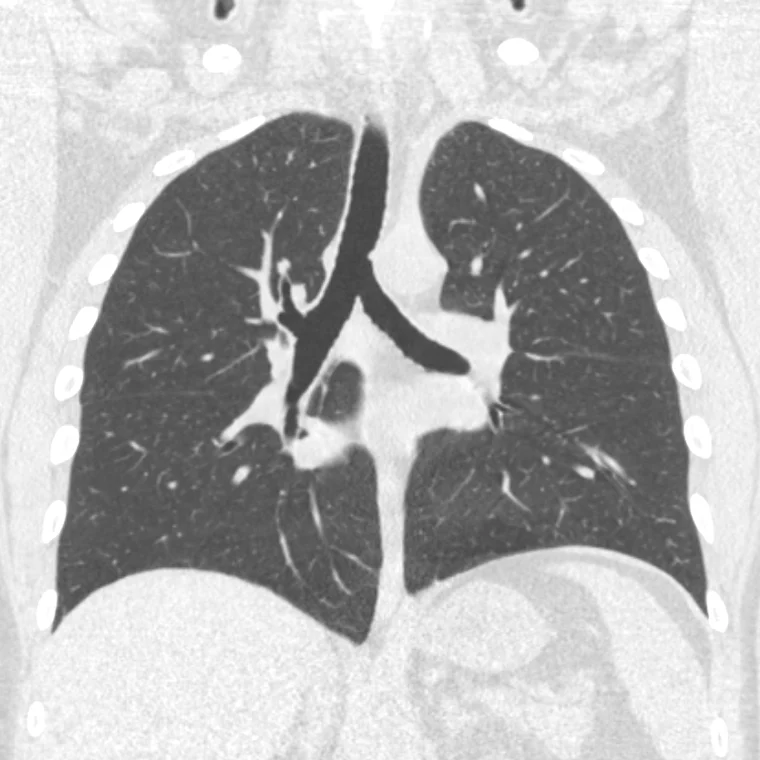

You may qualify for annual screening if you:
50–80
Years old
Medicare covers ages 50–77. Commercial plans generally follow the USPSTF range to age 80. Coverage varies by insurance plan. Please confirm your benefits.
20+
Pack-year history
Have a smoking history of at least 20 pack-years and currently smoke or previously smoked. Even if you quit more than 15 years ago, screening may still be appropriate.
No
Lung cancer symptoms
Screening is for people without signs or symptoms of lung cancer. If you have symptoms, talk with your clinician about a diagnostic chest CT.
What does “Pack Year” mean?
A pack year is calculated by multiplying the number of packs of cigarettes smoked per day by the number of years an individual has smoked. One pack a day for 20 years is 20 pack-years.
20
pack-years Meets the 20 pack-year smoking history threshold.This calculator measures smoking history only. Screening eligibility also depends on your age, symptoms, and overall health. Years since quitting may affect insurance coverage. Talk with your clinician about whether screening is right for you.
Lung cancer often causes no symptoms until it is more advanced.
Finding it early can make a meaningful difference.
More options for treatment with curative intent
Better outcomes
Non-small cell lung cancer
5-year relative survival by stage at diagnosis
Source: American Cancer Society, based on SEER data. People diagnosed with non-small cell lung cancer in 2015–2021. Population estimates do not predict an individual person’s outcome. These figures compare stages at diagnosis, not the effect of screening.
Lung cancer is the leading cause of cancer death in the U.S. Annual low-dose CT screening is recommended for eligible adults at high risk who have no signs or symptoms of lung cancer.
Never Smoked? Don’t Overlook Your Lung Health.
Lung cancer can affect people who have never smoked. Family history, radon, secondhand smoke, and workplace exposures such as asbestos can increase your risk.
Know your risk. Explore your options. Talk with your clinician about a personalized risk assessment and whether a low-dose chest CT may be appropriate for you.
Imaging decisions depend on your individual risk and clinical evaluation. Insurance coverage varies. If you have symptoms, ask your clinician about diagnostic evaluation.

What to Expect During Your Visit
Before Your Scan
No special preparation is needed. You can eat, drink, and take your usual medications. Wear comfortable clothing and avoid metal when possible.
During Your Scan
You’ll lie on a table that moves through the CT scanner. The scan takes just a few minutes, and you may be asked to briefly hold your breath. No needles. No contrast.
After Your Scan
You can return to your normal routine right away. A radiologist will review your images, and results are typically shared within a few business days.
Covered by Most Insurance Plans
Many insurance plans, including Medicare, cover low-dose CT lung screening for those who qualify. Our team can help you understand your coverage.

Why Choose RadNet for Your Lung Screening?
Experienced Radiologists
Your scan is reviewed by radiologists experienced in lung screening CT, with findings and follow-up recommendations communicated to your referring clinician.
Support for Next Steps
If your scan shows a finding that needs follow-up, our team can help coordinate next steps with your clinician.
High-Quality Imaging. Low-Dose Technique.
We use CT protocols tailored for lung screening to produce detailed lung images while keeping radiation exposure low.
Focused on Early Detection
Screening looks for signs of lung cancer before symptoms appear.
A Scan That Takes Minutes
No needles, no contrast, and no downtime. Return to your usual routine after your scan.
Care That Puts You First
Clear instructions and a team ready to answer questions about your visit.
Frequently Asked Questions
Low-dose CT lung cancer screening is a fast, noninvasive scan that uses a small amount of radiation to create detailed images of your lungs. It can help detect lung cancer early, before symptoms appear. The scan may also reveal other lung changes, such as inflammation, scarring, or signs of chronic lung disease. No needles or contrast are needed.
Annual low-dose CT screening is recommended for eligible adults ages 50–80 who have at least a 20 pack-year smoking history and no signs or symptoms of lung cancer.
If you currently smoke or quit within the past 15 years, you may qualify under USPSTF guidelines. If you quit longer ago, you may still qualify under American Cancer Society guidelines. Your clinician can help determine whether screening is right for you.
Insurance requirements vary. Medicare covers eligible adults ages 50–77.
A pack-year measures how much you have smoked over time. Multiply the average number of packs of cigarettes smoked per day by the number of years smoked. One pack contains 20 cigarettes.
For example, one pack a day for 20 years or two packs a day for 10 years equals 20 pack-years.
Early lung cancer often causes no symptoms. Annual screening can help detect new or changing lung nodules and find cancer when treatment is more likely to be successful. For eligible adults, regular low-dose CT screening can reduce the risk of dying from lung cancer.
Most insurance plans cover annual low-dose CT lung screening without out-of-pocket costs when eligibility and plan requirements are met. Medicare covers eligible adults ages 50–77. Commercial plans generally follow USPSTF criteria for ages 50–80, while Medicaid requirements vary by state and plan.
Confirm your coverage before scheduling. If screening is not covered, ask about self-pay options. Self-pay screening still requires an order from your clinician, an individualized risk assessment, and a discussion of the potential benefits and harms.
Lung cancer can affect people who have never smoked. Family history, radon, secondhand smoke, and workplace exposures such as asbestos can increase your risk. Talk with your clinician about a personalized risk assessment and whether imaging may be appropriate.
If you have a persistent cough, shortness of breath, or unexplained weight loss, seek medical evaluation. Imaging to investigate symptoms is diagnostic testing, rather than screening.