

Find the Screenings That Are Right for You
Your screening needs aren’t one-size-fits-all. They depend on your age, personal health history, and risk factors. We make it easy to understand what’s recommended, and help you take the next step.

Start Building Your Baseline
This is when many routine screenings begin — even if you feel completely healthy.
-
Breast Health
Annual mammogram starting at 40
-
Heart Health
Consider baseline cardiac risk assessment (especially with family history)
-
Lung Health
Low-dose CT screening begins at age 50 if you have a qualifying smoking history
-
Prostate Health
Begin discussions about prostate screening around age 45
-
Brain Health
Get evaluated if any symptoms are present
-
Thyroid Health
Evaluation if symptoms or nodules are present






Why it matters
Many conditions begin developing silently in your 40s. Early detection can make a meaningful difference.

Stay Ahead of What You Can’t Feel
Screenings become more routine — and more important.
-
Breast Health
Continue annual mammograms
-
Heart Health
Cardiac imaging may help assess plaque buildup and risk
-
Lung Health
Annual low-dose CT if eligible (based on smoking history)
-
Prostate Health
PSA testing and MRI-based screening options
-
Brain Health
Baseline imaging may be considered if there are memory concerns
-
Thyroid Health
Ongoing monitoring if nodules or abnormalities are present
Why it matters
Risk for heart disease and cancer increases — screening helps catch issues earlier, when they’re more treatable.

Monitor, Detect and Manage With Confidence
Screening continues to play a key role in maintaining health and quality of life.
-
Breast Health
Continue annual mammograms as recommended
-
Heart Health
Advanced imaging to monitor plaque and cardiovascular risk
-
Lung Health
Continue annual low-dose CT if eligible
-
Prostate Health
Ongoing screening and imaging as appropriate
-
Brain Health
Imaging to evaluate memory changes or neurological symptoms
-
Thyroid Health
Continued evaluation of nodules or changes
Why it matters
For many conditions, early detection supports better outcomes — and helps guide the right care at the right time.
Heart Health
Heart disease often develops silently. Advanced imaging can detect plaque buildup and assess your risk before symptoms appear.
Screening options may include
- Cardiac CT (including calcium scoring)
What it can detect
- Early plaque buildup
- Coronary artery disease risk
If follow-up is needed
You may be guided to coronary CT angiography (CCTA) with advanced plaque analysis to better understand your risk and guide treatment.
Lung Health
Lung conditions, including cancer, can develop without symptoms. Imaging can help detect abnormalities earlier.
Screening options may include
- Low-dose CT (LDCT)
What it can detect
- Small lung nodules
- Early-stage lung cancer
- Other lung abnormalities
If follow-up is needed
Additional imaging or evaluation may be recommended to monitor or further assess findings.

Breast Health
Regular screening is one of the most effective tools for early breast cancer detection.
Screening options may include
- Annual mammogram, starting age 40
- Optional breast MRI for enhanced review
What it can detect
- Early-stage breast cancer
- Subtle changes before symptoms develop
If follow-up is needed
You may be scheduled for diagnostic mammography, breast ultrasound, MRI, or image-guided biopsy — with coordinated care every step of the way.

Prostate Health
Prostate cancer risk increases with age, often without early symptoms.
Screening options may include
- PSA testing
- Enhanced Prostate Screening (EPS) – MRI-based (non-contrast)
What it can detect
- Suspicious areas within the prostate
- Clinically significant cancers
If follow-up is needed
Targeted imaging and MRI-guided biopsy can help confirm findings and guide treatment decisions.
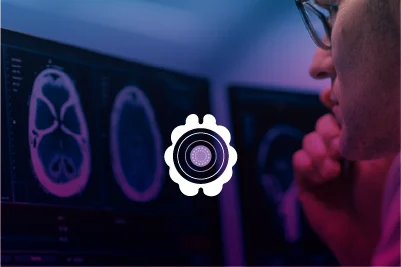
Brain Health
Imaging can help evaluate neurological symptoms and provide insight into brain health.
Screening options may include
- MRI of the brain
- Advanced imaging for specific conditions
What it can detect
- Structural changes in the brain
- Signs associated with memory disorders
- Other neurological conditions
If follow-up is needed
Additional imaging or specialized studies may be recommended to better understand findings and support next steps in care.
Thyroid Health
Thyroid conditions are common, and often go unnoticed.
Screening options may include
- Thyroid ultrasound
What it can detect
- Thyroid nodules
- Changes in size or structure
If follow-up is needed
If a nodule appears suspicious, a fine needle biopsy or additional imaging may be recommended for further evaluation.
Your risk factors can shape what you need — and when
Screening isn’t just about age. Your personal history, lifestyle, and family background can influence which exams are right for you, and when to start.

Family history of cancer or heart disease
If close relatives have had cancer or heart disease, your risk may be higher.
You may benefit from
- Earlier or more frequent breast screening
- Prostate screening starting at age 45
- Cardiac imaging to assess your heart disease risk
- Thyroid or other targeted imaging, depending on history
What this means
Screening may begin sooner — and may include more advanced imaging to detect changes as early as possible.

Dense breast tissue
Dense breast tissue is common — but it can make cancer harder to detect on a mammogram alone.
You may benefit from
- Annual mammography with enhanced detection options
- Supplemental imaging, such as ultrasound or MRI
What this means
Additional imaging can improve visibility and help detect cancers that might otherwise be missed.
Smoking history (current or former)
Smoking is the leading risk factor for lung disease, but risk doesn’t disappear immediately after quitting.
You may benefit from
- Annual low-dose CT (LDCT) to check for early lung changes
What this means
Screening can detect lung cancer at earlier stages — often before symptoms develop, when more treatment options are available.

Heart risk factors
High blood pressure, high cholesterol, diabetes, or a family history can increase your risk of heart disease.
You may benefit from
- Cardiac CT to assess calcium score and plaque buildup
- Advanced imaging for more detailed risk assessment
What this means
Imaging can reveal early signs of heart disease and help guide prevention or treatment strategies.


Elevated PSA or prostate concerns (men)
An elevated PSA doesn’t always mean cancer — but it does mean you may need a closer look.
You may benefit from
- MRI-based prostate imaging for more accurate evaluation
What this means
Screening may begin sooner — and may include more advanced imaging to detect changes as early as possible.

Thyroid symptoms or known nodules
Thyroid issues are common and often found incidentally or through subtle symptoms.
You may benefit from
- Thyroid ultrasound to evaluate structure and nodules
What this means
Imaging can help determine if monitoring or further evaluation is needed.

Memory concerns or cognitive changes
Subtle changes in memory or cognition can have many causes — and imaging can help provide answers.
You may benefit from
- Brain MRI or specialized imaging
What this means
Early evaluation can help identify underlying causes and support more informed care decisions.
Routine screenings can help detect disease early — often before symptoms begin.
Heart Health
Cardiac CT and advanced imaging to assess heart disease risk beyond basic tests.
Explore heart imagingLung Health
Low-dose CT lung screening for adults who meet screening criteria based on age and smoking history.
Explore lung screeningBreast Health
Annual mammography starting at 40, with advanced detection options available.
Explore breast imagingProstate Health
MRI-based screening options for men 45+ to detect cancer earlier and more accurately.
Explore prostate imagingBrain Health
Imaging that helps evaluate memory concerns and neurological changes.
Explore brain imagingThyroid Health
Ultrasound imaging to evaluate thyroid nodules and other concerns.
Explore thyroid imagingThe Life-Changing Impact of Early Detection

Vinny, 65
“Early detection is the whole thing.” My scan caught it before it could spread.

Teresa, 52
“The AI review spotted my DCIS immediately.” I was in surgery with clear margins weeks later.

Schedule Your Health Screening Today
Explore all nearby centers, and confirm the screening you need when you book.