
Years after first stepping into the operating room as a medical student, Dr. Valentina Bonev still feels the same excitement about breast surgery that initially drew her to the specialty.
Growing up in Orange County, California, she was fascinated by science, anatomy and biology. Medicine was also part of her family history: both her father and grandfather were cancer surgeons. Yet there was never an expectation that she would follow the same path.
“There was never any pressure on me to become a doctor,” she said. “I naturally had a passion for medicine.”
Today, Dr. Bonev is a board-certified breast surgical oncologist at Breastlink Orange, not far from where her interest in medicine began. She earned both her undergraduate and medical degrees at the University of California, Irvine, completed her general surgery residency at Loma Linda University Health and fellowship training in breast surgical oncology at Northwestern University’s Lynn Sage Comprehensive Breast Center in Chicago.
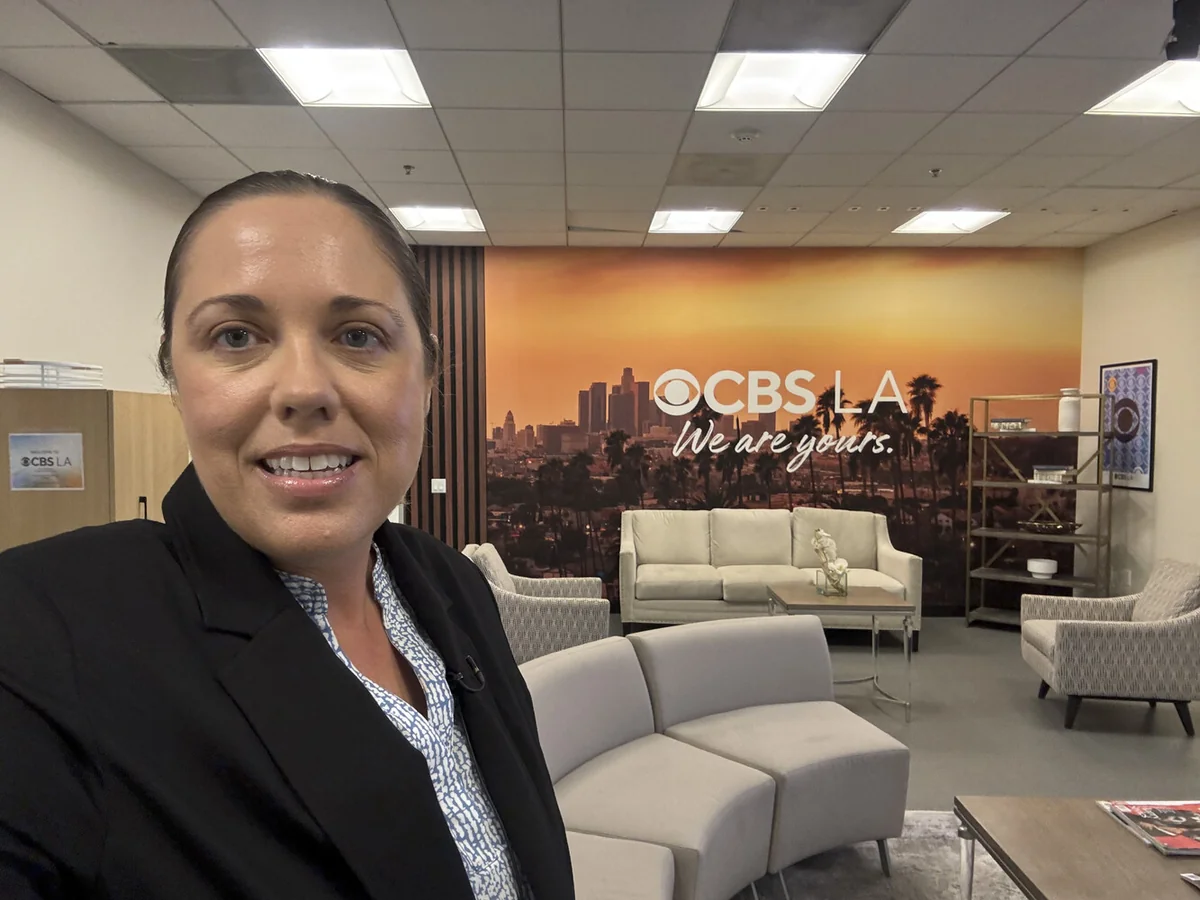
During medical school, Dr. Bonev discovered the specialty that would become her career.
Working alongside breast surgeons, she found mentors who gave her opportunities to participate directly in patient care and surgery. As a medical student, she assisted with and performed breast surgeries, including mastectomies, under close supervision. She found something particularly compelling in breast surgery: the opportunity to build lasting relationships with patients.
Unlike surgical specialties in which a physician may operate, see a patient once after the surgery and move on, breast cancer care can create relationships that last for years.
“I really enjoy the anatomy, the surgeries, even the clinic,” Dr. Bonev said.
She is equally drawn to the multidisciplinary nature of breast care — the ongoing conversations among surgeons, radiologists, pathologists and other specialists working together on behalf of a patient.
Despite her strong desire to learn and succeed, the path wasn’t always easy. “Nothing was handed to me, that’s for sure,” she said. “I put in a lot of hard work and perseverance. That and believing in myself got me where I am today.”
That belief in herself ultimately led her to a field that still feels like the right fit. “I love it,” she said.
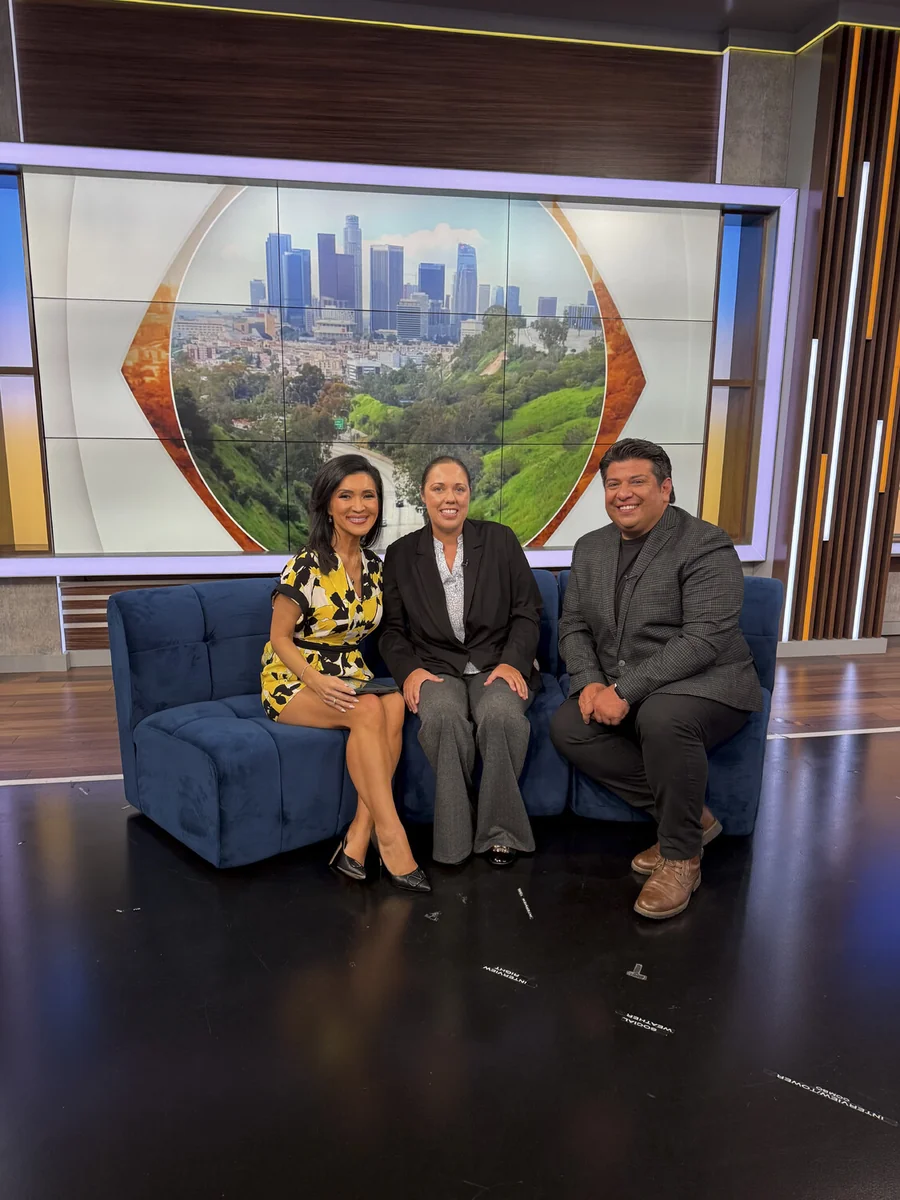
Dr. Bonev’s enthusiasm is evident when she talks about surgery. For her, an operation represents far more than a procedure.
For a patient who has spent months undergoing chemotherapy, for example, surgery can represent an important milestone in a long and emotionally exhausting journey.
“They’ve been waiting for this,” Dr. Bonev said. “You finished the first milestone — chemotherapy — and now we’re doing another big milestone. This is progress in your treatment.”
That sense of progress matters because Dr. Bonev is also often present for some of the most difficult moments in a patient’s life. She may be among the first physicians to explain a breast cancer diagnosis and what comes next.
“It’s heart-wrenching,” she said. “I feel bad that I have to deliver this bad news to them, but I’m also trying my best to help them get through it.”
Those experiences have reinforced a lesson she began learning in medical school: a physician can’t treat a diagnosis in isolation.
Patients arrive with families, careers, fears and challenges that may have nothing directly to do with breast cancer, but can profoundly affect their care. Listening, Dr. Bonev believes, is therefore an essential clinical skill.
“You need to take the patient as a whole and treat them as a whole,” she said.
As a woman caring predominantly for women, Dr. Bonev has also seen how shared experience can help patients feel more comfortable discussing deeply personal concerns. Some patients have told her they feel more at ease talking with a female surgeon about their breasts, reconstruction, cosmetic outcomes or concerns they previously hesitated to raise.
Dr. Bonev’s commitment to medicine extends beyond the operating room. She is passionate about education, volunteering as a teacher and mentor, lecturing to pre-medical and medical students, and presenting to patients and physicians.
That interest has roots in her own experience. She remembers the mentors who didn’t simply teach her surgical technique, but demonstrated how to listen to patients, deliver difficult news and work collaboratively with other specialists.
Ultimately, Dr. Bonev strives to help patients move through treatment and eventually reach a point when cancer no longer defines their everyday lives.
“I am so grateful for what I can do for my patients and to hopefully make this a distant memory for them,” she said, “so that they can live a long and healthy, happy life.”
For Dr. Bonev, that remains both the responsibility — and the privilege — of her career.