
What Is the Thyroid?
Your thyroid plays a critical role in regulating many of the body’s essential functions — including metabolism, energy levels, heart rate, temperature regulation, and hormone balance. Yet thyroid conditions often develop quietly, without obvious symptoms.
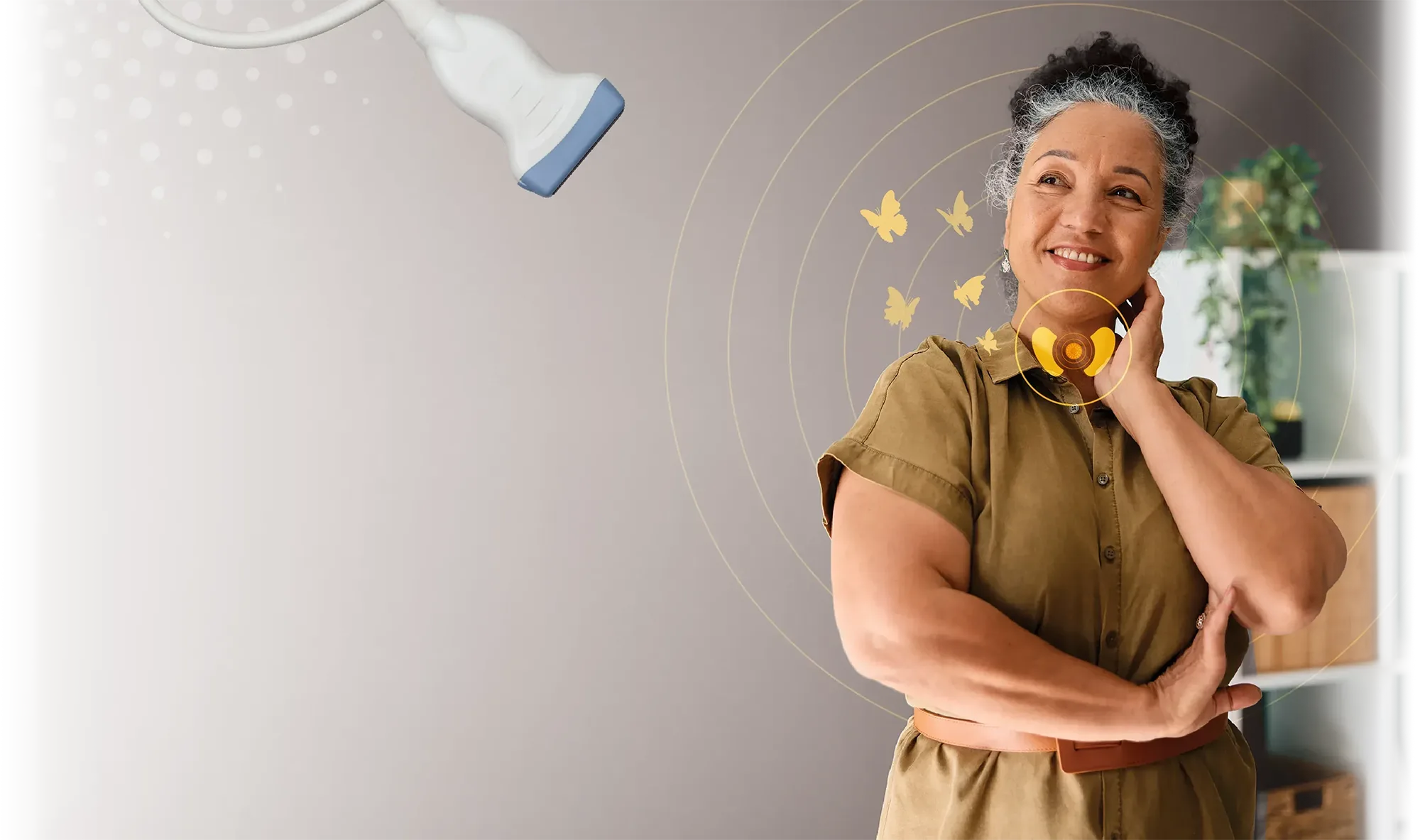
The thyroid is a small, butterfly-shaped gland located at the front of the neck. Although small, it has a major impact on overall health by producing hormones that help regulate:
Metabolism
Heart rate
Body temperature
Energy levels
Weight fluctuations
Mood and cognitive function
When the thyroid is not functioning properly, it can affect nearly every system in the body.

Far More Common in Women — and Far More Often Explained Away
5–8×
More likely than men to develop a thyroid conditionThyroid disorders are significantly more common in women than men. In fact, women are five to eight times more likely than men to have thyroid problems.
Various hormonal changes can impact thyroid health and thyroid hormone balance.
Pregnancy
Postpartum changes
Perimenopause and menopause
Autoimmune conditions
Because symptoms are often subtle — or mistaken for stress, aging, or hormonal changes — many women may not realize a thyroid condition is developing.
Common symptoms may include:
- Fatigue or low energy
- Weight changes
- Brain fog or memory issues
- Hair thinning
- Anxiety or mood changes
- Sensitivity to cold or heat
- Neck fullness or swelling
1 in 8
Women will develop a thyroid condition~45,000
New U.S. thyroid cancer cases estimated in 2026*
Advanced Imaging Enhanced by AI
RadNet uses DeepHealth Thyroid, FDA-cleared AI developed by See-Mode, now part of DeepHealth, for automated nodule detection and characterization and thyroid sizing according to ACR TI-RADS guidelines, reviewed by the radiologist.
This technology helps provide:
- AI-assisted nodule analysis that the radiologist reviews
- Standardized ACR TI-RADS reporting to support clinical decision-making
We combine compassionate care with innovative imaging technology — helping provide earlier answers and greater peace of mind.
Quick, comfortable exam — about 15–30 minutes
No radiation or injections
Performed by experienced technologists
Results sent directly to your physician
What Happens If Something Is Found?
If a thyroid nodule or abnormality is identified, additional evaluation may be recommended depending on the size and imaging characteristics of the finding.
Follow-up ultrasound imaging
A repeat scan, timed to the finding, so any change in size or character is measured rather than guessed at.
Thyroid lab testing
Bloodwork to see how the gland is actually functioning, alongside what the images show.
Image-guided fine needle aspiration (FNA) biopsy
A small sample taken with ultrasound guiding the needle, when the imaging characteristics warrant it.
Referral to an endocrinologist or specialist
Handover to the physician who will manage treatment, with the imaging already in hand.
Our teams can help coordinate additional imaging and image-guided biopsy services when needed — supporting a more seamless and connected patient experience.
Why Choose RadNet for Thyroid Imaging?
Advanced Technology
High-resolution ultrasound systems enhanced with AI-powered imaging analysis.
Expert Radiologists
Exams interpreted by experienced radiologists.
Integrated Follow-Up Care
Access to coordinated imaging and image-guided biopsy services when needed.
Clear Next Steps
When thyroid imaging is recommended, it helps guide the right evaluation and next steps.
Frequently Asked Questions