Earlier detection
Screening programs built to reach more people.
RadNet combines a national outpatient imaging network, subspecialty radiology, advanced screening programs and DeepHealth AI to help identify cancer earlier and support patients through the next steps in care.
Lung Cancer Screening
Low-dose CT screening designed to detect lung cancer before symptoms develop, supported by follow-up imaging and coordinated care when additional evaluation is needed.

Breast Cancer Screening
Comprehensive breast care from routine 3D screening mammography and risk assessment through supplemental imaging, diagnostic evaluation, biopsy and coordinated navigation.

Prostate Cancer Screening
A comprehensive approach to prostate health that combines MRI-based screening, advanced diagnostic imaging, targeted biopsy and image-guided treatment options.
Lung health
Find lung cancer earlier.
Lung cancer can develop without symptoms. Low-dose CT screening can detect small lung nodules and early-stage cancer when treatment options may be greater.
RadNet provides advanced lung imaging and screening capabilities designed to support earlier detection, appropriate follow-up and ongoing evaluation.
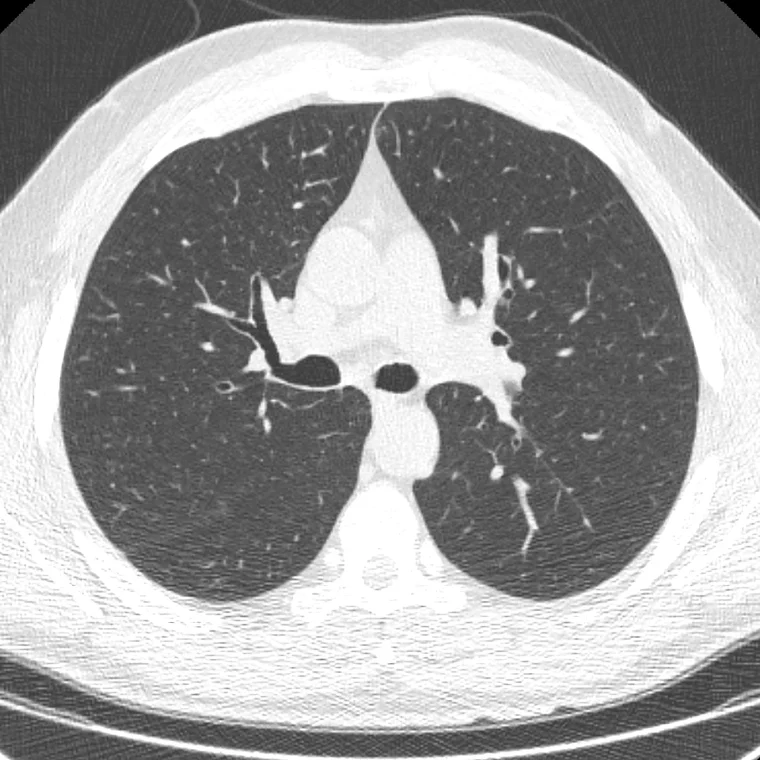
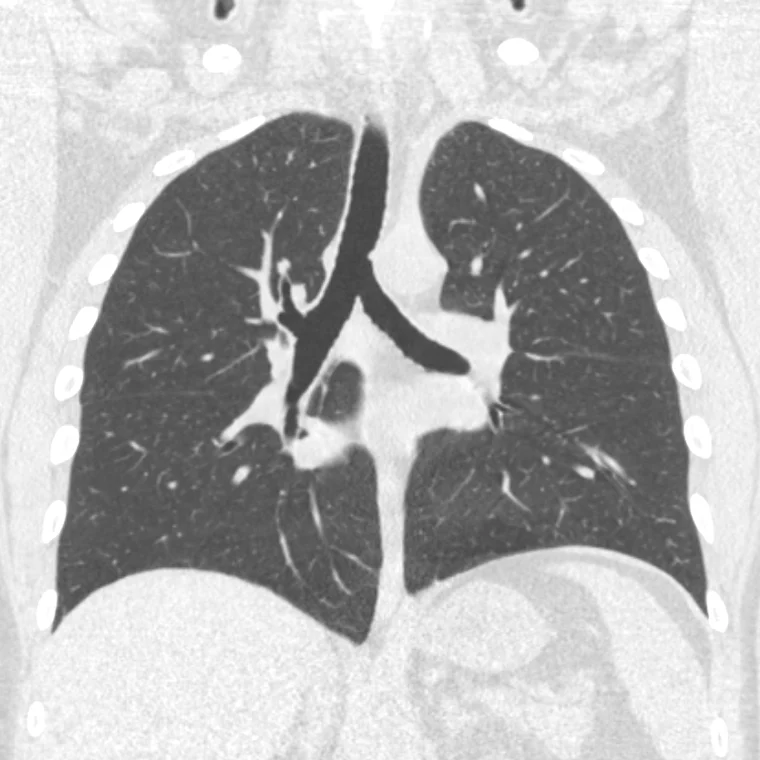
Low-Dose CT Screening
Fast, noninvasive imaging designed specifically to identify lung cancer before symptoms develop.
Earlier Detection
Detailed CT imaging can identify small abnormalities that may not be visible on a traditional chest X-ray.
Connected Follow-Up
When a finding requires additional evaluation, imaging and clinical follow-up can help guide the next step.
Breast health
Comprehensive breast screening and diagnostic care.
Breast cancer screening starts with mammography, but the care pathway can extend far beyond the initial exam.
RadNet provides comprehensive breast imaging services including 3D mammography, risk assessment, supplemental ultrasound and MRI, diagnostic imaging, image-guided biopsy and coordinated navigation.
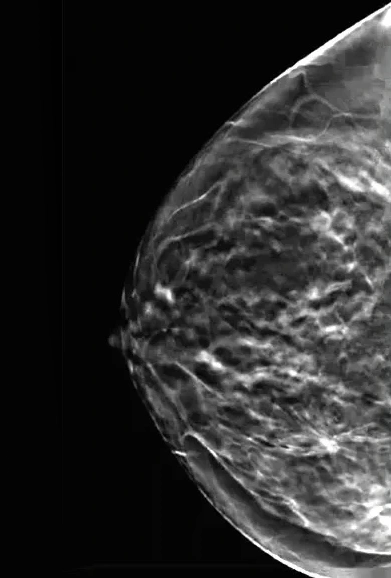
Without EBCD
The radiologist views the exam without assistance.
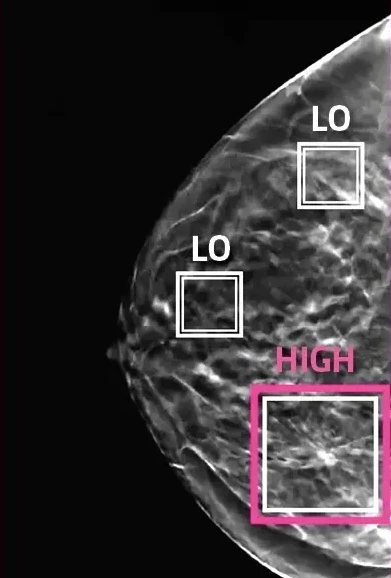
With EBCD
Suspicious areas are highlighted for the radiologist.
- Screening Mammography Routine 3D mammography provides the foundation for early breast cancer detection.
- Risk-Based Care Risk assessment and supplemental imaging help identify patients who may benefit from additional evaluation.
- Diagnostic Imaging & Biopsy Diagnostic mammography, ultrasound, MRI and image-guided biopsy provide a path forward when a screening exam identifies something that needs a closer look.
- Enhanced Breast Cancer Detection EBCD adds DeepHealth AI and an additional expert-review safeguard to screening mammography, helping radiologists identify subtle abnormalities that may otherwise be difficult to detect.
- Navigation Dedicated breast-care pathways help coordinate diagnostic follow-up and the next steps in care.
Prostate health
A more complete approach to prostate cancer detection.
Prostate care increasingly combines traditional clinical assessment with advanced MRI to help identify clinically significant disease earlier and determine when additional evaluation is necessary.
RadNet’s prostate program spans screening, diagnostic MRI, targeted biopsy and image-guided treatment pathways.
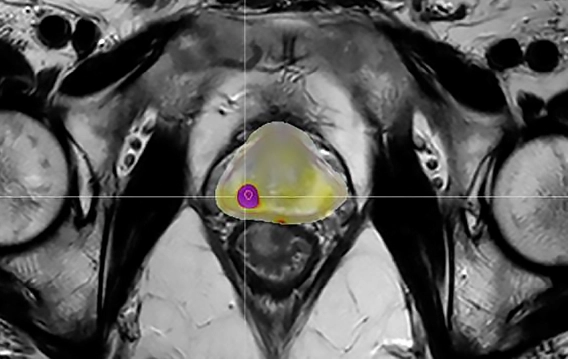
- Screening & Risk Assessment PSA and individual risk factors can help determine when further prostate evaluation is appropriate.
- Prostate MRI MRI provides a detailed view of the prostate to identify suspicious areas, evaluate elevated PSA and help determine whether biopsy is needed.
- Targeted Biopsy When biopsy is appropriate, MRI findings can guide sampling directly to areas of concern rather than relying solely on a traditional blind biopsy approach.
- Enhanced Prostate Screening EPS provides a rapid, non-contrast MRI screening option supported by DeepHealth AI for men seeking proactive prostate evaluation.




Intelligence built into the imaging journey.
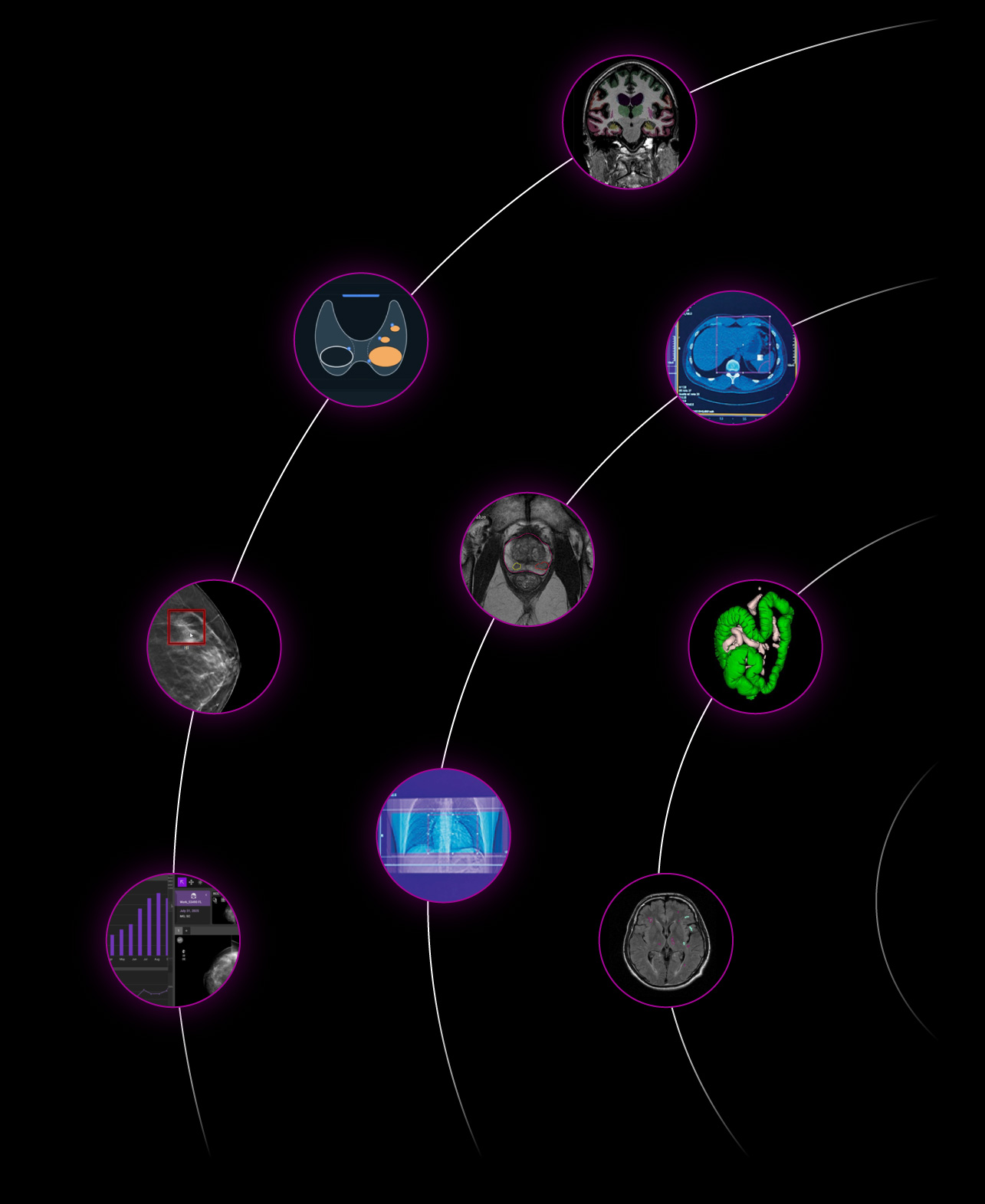
DeepHealth, RadNet’s Digital Health division, brings AI into clinical imaging workflows to support radiologists, improve detection and help turn imaging data into actionable information.
AI-supported capabilities are integrated across areas including breast, prostate and thyroid imaging.
Community access
Bringing screening closer to the people who need it.
Cancer screening is most effective when people can access it.
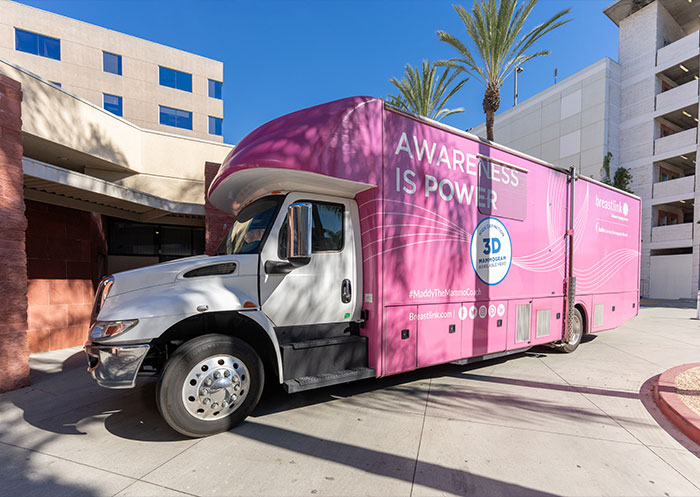
RadNet works with healthcare organizations and community partners to expand screening beyond traditional care settings through outpatient imaging centers, mobile programs and other points of care.
These models are designed to reduce barriers, improve screening participation and create stronger connections between early detection and follow-up care.
Work with us
Build the next screening program with us.
RadNet works with health systems, physician groups, payors and community organizations to expand imaging access, develop screening programs and create new models of care.
From individual screening services to large-scale programs, our goal is the same: reach more people, detect disease earlier and create a clearer path to the care that comes next.