Lisa Guerra had wanted to become a physician since she was just seven or eight years old. Her mother had taken her to the pediatrician because she wasn’t feeling well, and whatever the doctor prescribed worked. By the next day, she felt better.
“I thought anybody that can do that, that’s what I want to do,” she recalled. “And I got it into my head that I was going to be a doctor.”
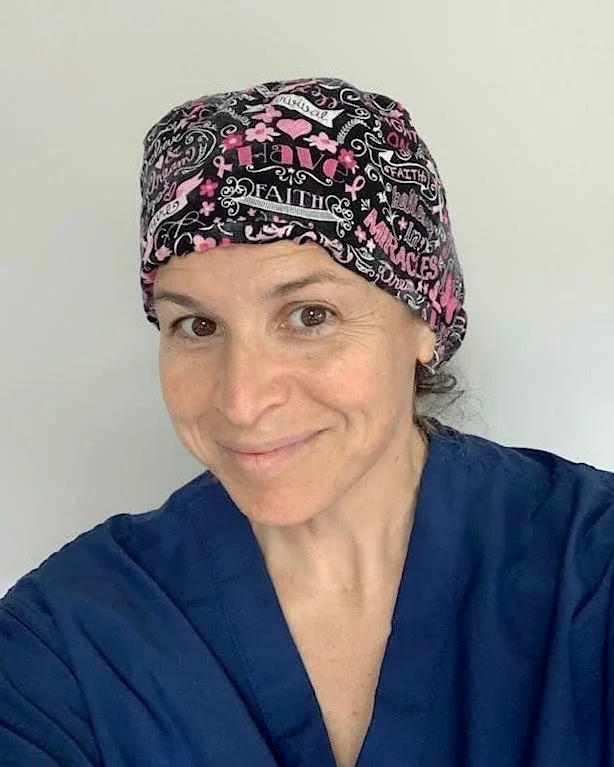
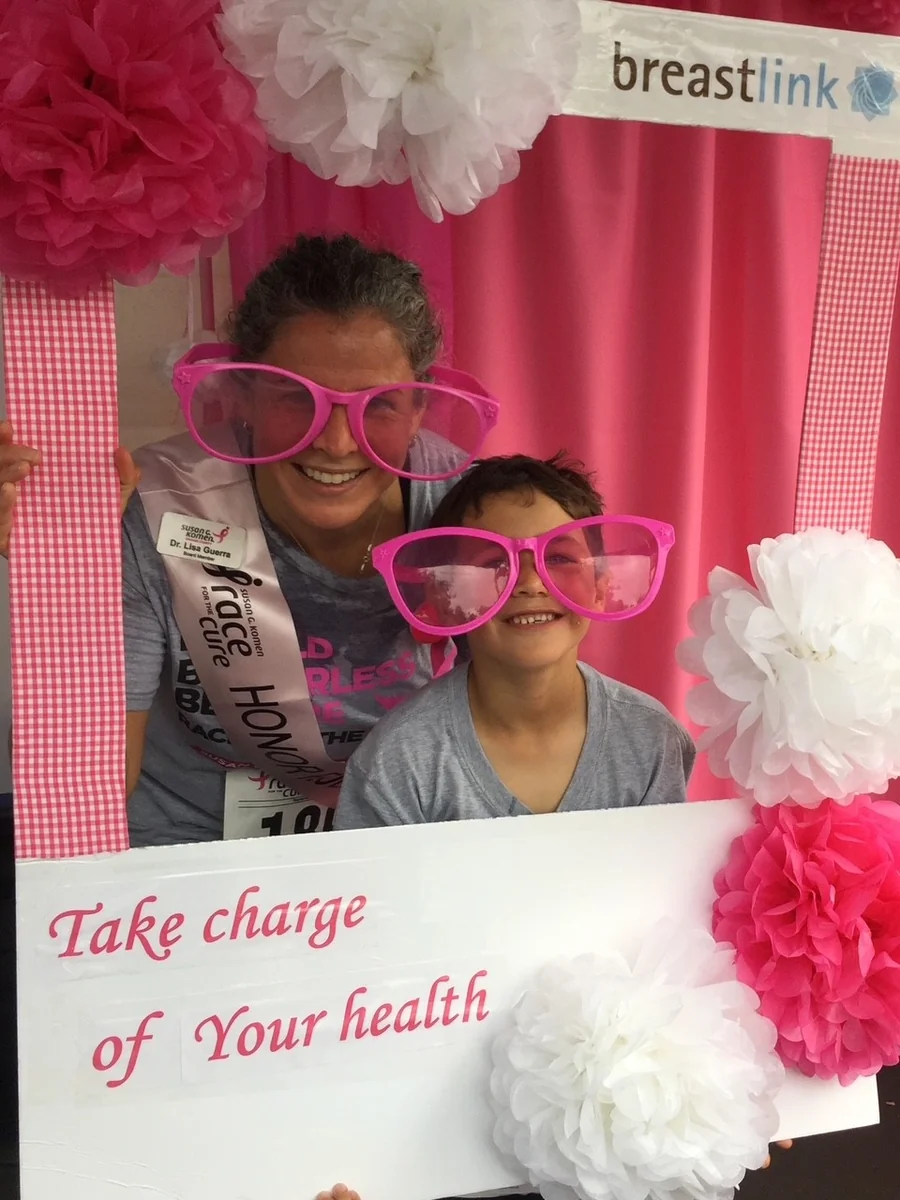
Today, Dr. Lisa Guerra is a board-certified, breast-dedicated surgeon at Breastlink in Newport Beach, California, where she specializes in areas including oncoplastic surgery and the management of high-risk patients. She has also led breast cancer clinical trials and has published research in peer-reviewed journals.
The path that brought her to breast surgical oncology was shaped by personal experience, mentorship and a desire to build a surgical career that allowed her to develop lasting relationships with patients.
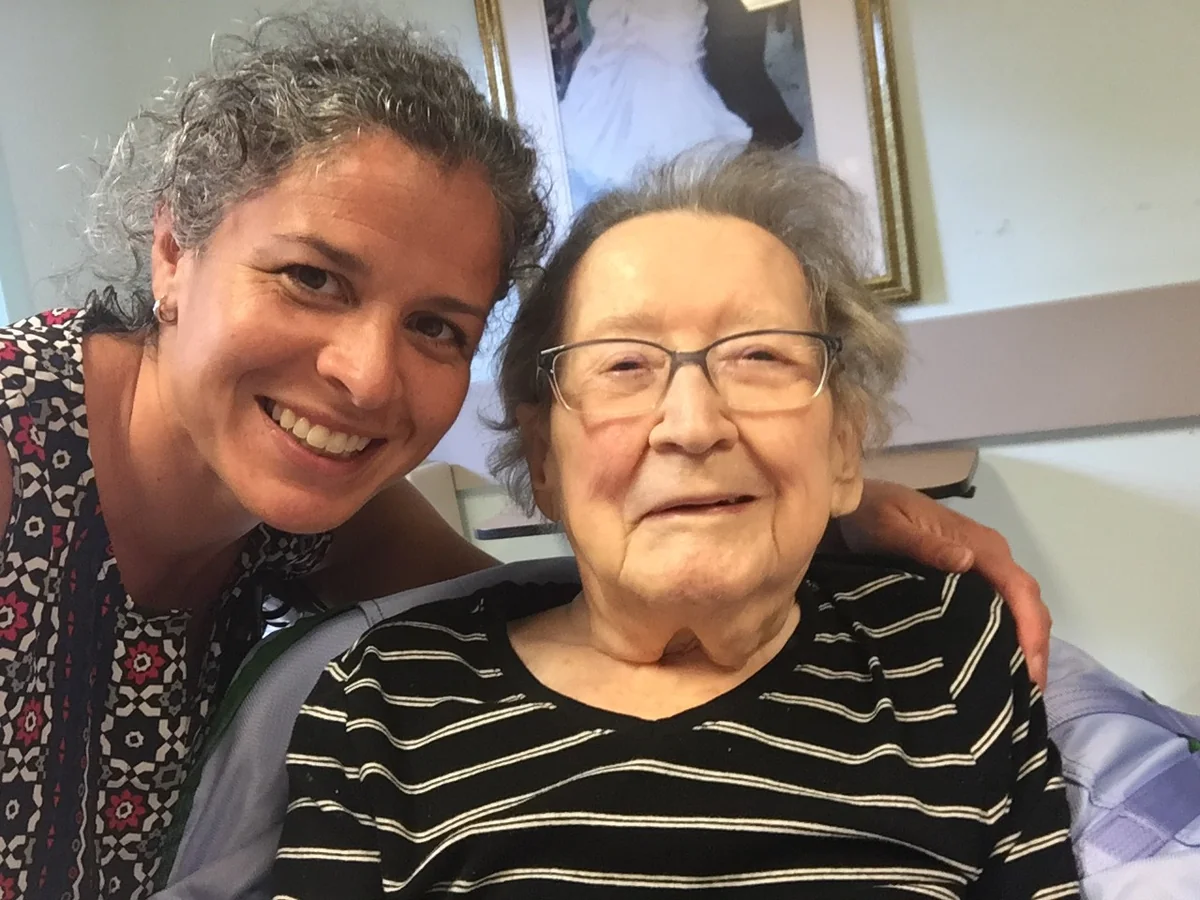
One of Dr. Guerra’s earliest role models was her maternal grandmother, an Army nurse who went on to teach nursing. At age 75 her grandmother was diagnosed with breast cancer. Fortunately, it was detected early and she lived to age 99. Her grandmother was unwavering in her support of Lisa’s desire to become a physician, even suggesting that Lisa consider surgery as a specialty.
Grandma was right. Dr. Guerra discovered what she described as the “instant gratification” of surgery: a patient arrives with a problem, the surgeon addresses it, and ideally, the patient gets better. As she considered her future, she also thought about the kind of life she wanted outside of medicine. Many surgical specialties involved emergencies and unpredictable hours. She hoped to eventually marry and have a child, and work-life balance mattered.
During Dr. Guerra’s surgical residency, her program director introduced her to the then-emerging specialty of breast surgical oncology, and it was just the right fit. The role combined the elements of surgery she loved with balance, creativity, continuity of care and the opportunity to build meaningful relationships with patients.
That continuity remains one of the most rewarding parts of her work. Unlike some surgical specialties in which a physician may perform a procedure, oversee recovery and rarely see the patient again, breast surgical oncology can create relationships that span years because a significant aspect of this work, in addition to managing all aspects of the surgery—from evaluating a breast cancer diagnosis, through explaining surgical options, performing surgery, coordinating with care teams, and helping patients make treatment decisions—is to monitor healing and help manage her patients’ ongoing breast care.
Dr. Guerra began her surgical practice in 2008 and still sees some patients she treated early in her career. “What a blessing it is for me — to continue seeing those patients and getting to know their families over time,” she said.
Those relationships also give her a unique perspective on what it means to care for women through different stages of life.
She has treated young women diagnosed with breast cancer before marriage or children, requiring conversations they never expected to have about fertility preservation and future breastfeeding. At the other end of the spectrum, she recalled one year in which she cared for two 101-year-old women.
“It certainly is a privilege and an honor to be able to help those individuals at whatever point they are in their lives,” she said.
Being a woman can add another dimension to those conversations. Early in her career, Dr. Guerra remembers patients who seemed to expect — and sometimes prefer — the traditional image of an older male physician in a white coat. Over time, she has seen more patients value the perspective of female physicians and surgeons.
Shared experiences can create a sense of connection, particularly when patients are confronted with how breast cancer treatment could affect their body image, sexuality, motherhood or sense of femininity.
Dr. Guerra’s career also illustrates how much medicine has changed for women entering traditionally male-dominated specialties. Her medical school class was close to evenly divided between women and men, and her general surgery residency class included three women and four men. Today the majority of fellowship-trained breast surgeons are women.
For Dr. Guerra, excellent breast cancer care is ultimately not the work of any one physician. She described her relationship with breast radiologists as an “integral partnership” built on trust. Imaging can identify extremely small or subtle findings and help surgeons understand the extent and location of disease before entering the operating room. During breast-conserving surgery, radiologists can help pinpoint tissue that needs to be removed and evaluate specimens to help determine whether the area of concern has been successfully excised.
The same collaborative philosophy extends to medical oncologists, radiation oncologists, pathologists, plastic surgeons, genetic counselors and others involved in a patient’s care.
After nearly two decades in practice, Dr. Guerra doesn’t point to a single patient as defining her career. Instead, she thinks about the many patients and families who have told her that she made a difference.
Healthcare has become more sophisticated. Technology has advanced significantly. Her career has taken turns she could not have predicted. But the purpose that drew Dr. Guerra to medicine has remained constant: helping someone through a difficult moment and, whenever possible, helping them get better.
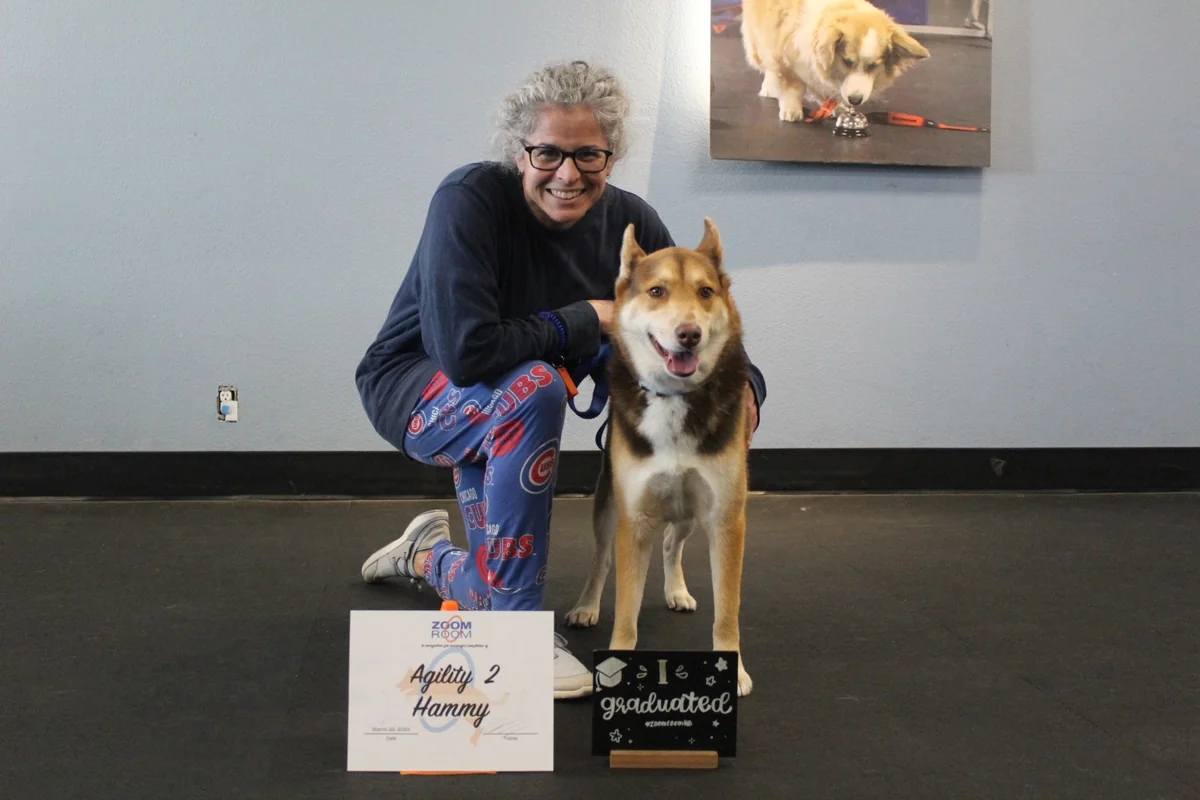
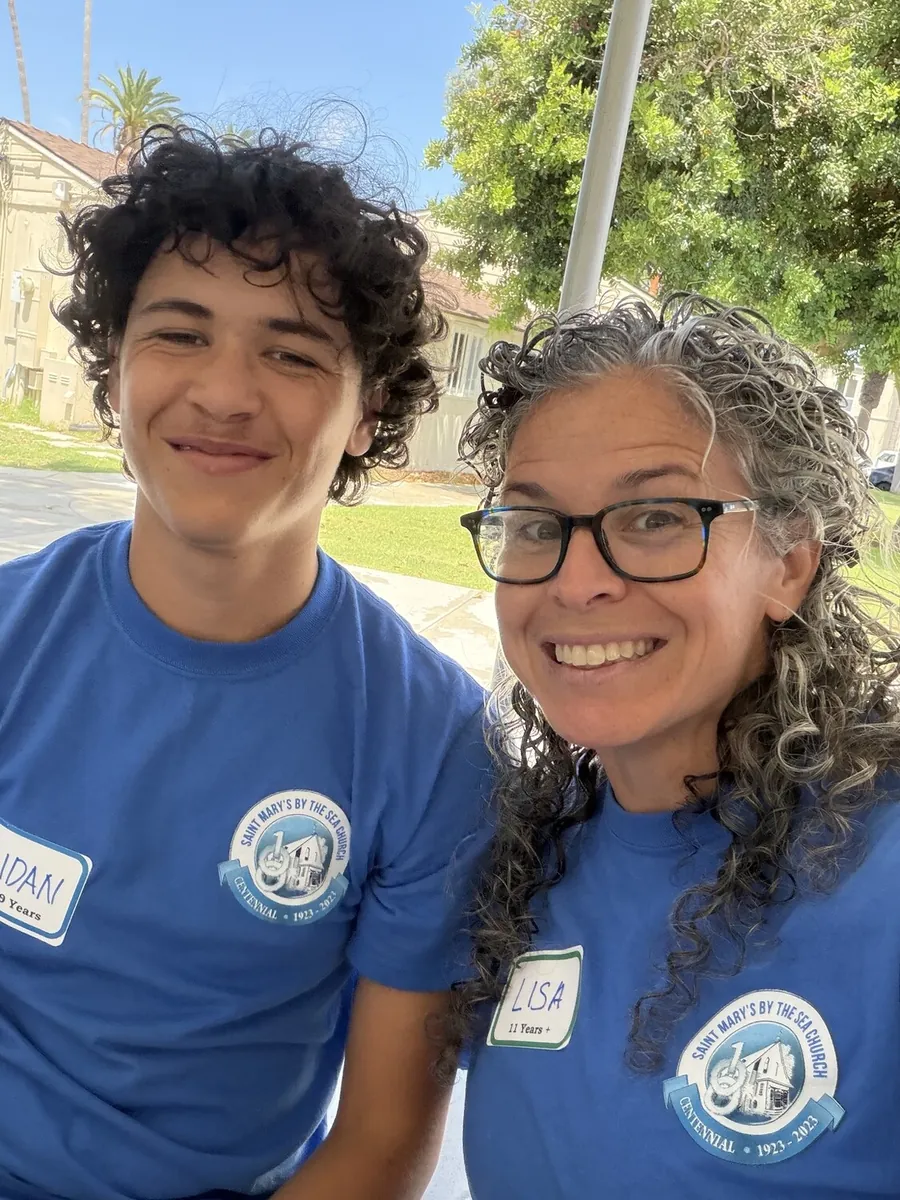
For a woman who decided as a young girl that she wanted to become a doctor because a physician made her feel better, her story has come full circle. In addition to a meaningful career, she found the work-life balance she was looking for and today has a teenage son. Together they like exploring national parks in the U.S. and trying new foods in ethnic restaurants.
“Although,” she laughed. “I think I enjoy our restaurant adventures more than he does.”