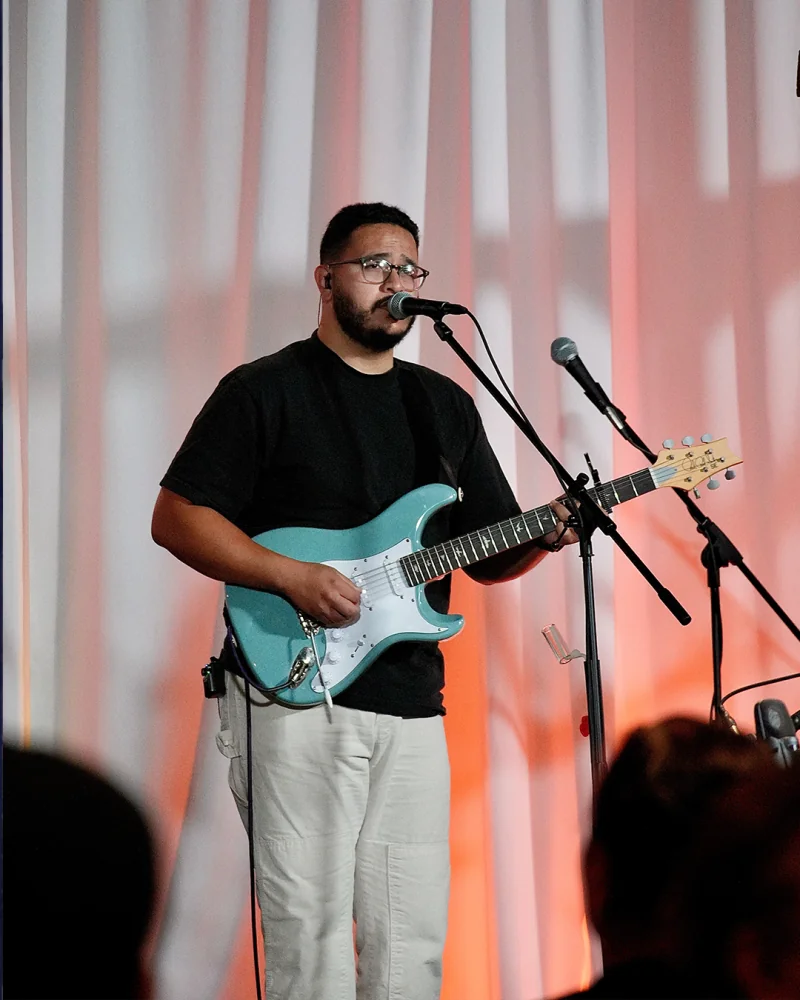
When most people picture an IT professional, they might imagine someone sitting behind a computer, troubleshooting software or configuring equipment. For Christopher Paz, an IT Field Support Specialist at RadNet, that picture misses the most important part of the job.
“The computer stuff is only a part of what we do,” Christopher said. “Maintaining relationships with people is what makes the job work.”
It is a perspective he has learned while supporting nine RadNet locations across Southern California. On any given day, Christopher may troubleshoot a workstation, support new technology, help a radiologist, work alongside front-office employees or simply stop by an imaging center to make sure everything is running as it should.
For Christopher each center is more than a location on his service map. They are his clients — he works for them, he said.
That philosophy is especially fitting for someone whose path into IT began in fields that seem far removed from technology.
The computer stuff is only a part of what we do. Maintaining relationships with people is what makes the job work.
Christopher Paz · IT Field Support Specialist
An Unexpected Career
Christopher was managing a Starbucks and studying child development and music in college when COVID-19 hit. His Starbucks store closed and instead of moving to another Starbucks location, he decided it was time to try something new.
He had always been interested in computers and technology, and Google had just introduced an IT certification program, so he enrolled. That decision led to an IT support position with a school district and later a job preparing computers for deployment to schools.
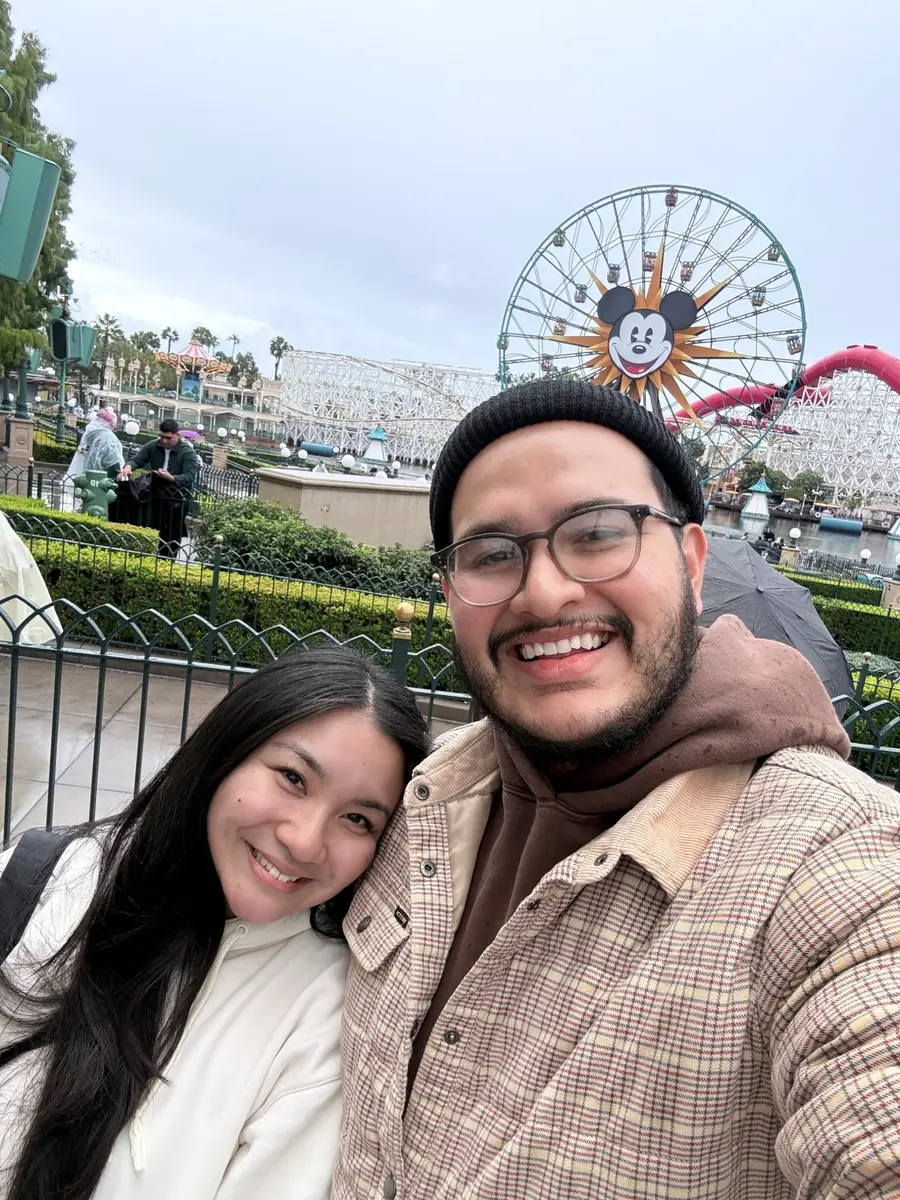
Then a recruiter called about an opportunity at RadNet. Christopher had been looking for a challenge, but there was something else about RadNet that caught his attention. As he researched the company, he realized he had actually been a patient at one of its imaging centers. So had his girlfriend.
“I was familiar with RadNet without even knowing it,” he said.
Working in an environment where technology contributes to patient care lends a sense of purpose to the job, so Christopher joined RadNet as a contract IT employee in February 2024. He was hired for a full-time position after 11 months.
Technology Powered by Relationships
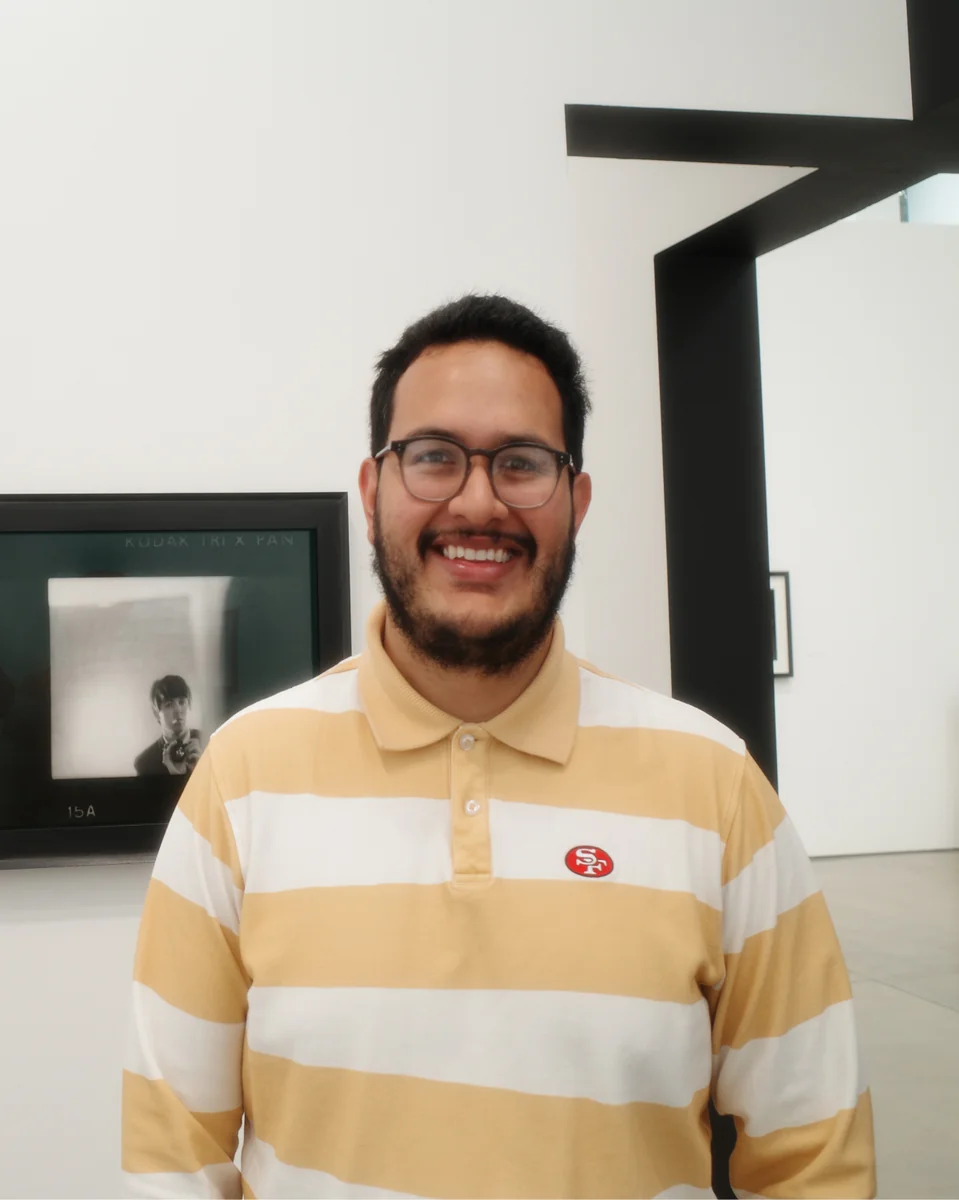
Today, Christopher spends much of his time traveling among the centers he supports. That mobility has allowed him to develop relationships with technologists, patient service representatives, operations teams and others throughout the region.
“When people talk about IT, they’re like, ‘Oh man, you must just work alone on the computer all day,’” he said. “But I encounter so many people.”
And that human element is especially important when technology doesn’t cooperate. There are days when multiple problems seem to happen simultaneously—and every one of them feels urgent to the person experiencing it. Christopher said one of the hardest parts of his job is telling someone that a problem can’t be fixed immediately, but trust makes those conversations easier. The employees at the imaging centers he services know that if he doesn’t have an immediate answer, he is working to find one.
Learning Goes Both Ways
Strong relationships within RadNet’s IT department also help Christopher. He described having both colleagues with decades of institutional knowledge, and those who are newer to the company and more familiar with newer technologies.
“There are people that have been here longer than I’ve been alive,” he joked. “I learn from them, and with all this newer technology, they’re learning from me.”
Christopher has developed a personal network of colleagues he can call to compare solutions, collaborate and share what they learn so the next person doesn’t have to solve the same problem from scratch.
The Skill That Isn’t on a Certification
For people considering an IT career, Christopher has some unexpected advice: technical knowledge isn’t everything.
“The knowledge will come,” he said. “What matters is being teachable and making an effort to connect with people. Remember someone’s name. Ask how their day is going. And don’t become so focused on fixing the computer that you forget the person sitting beside it.”